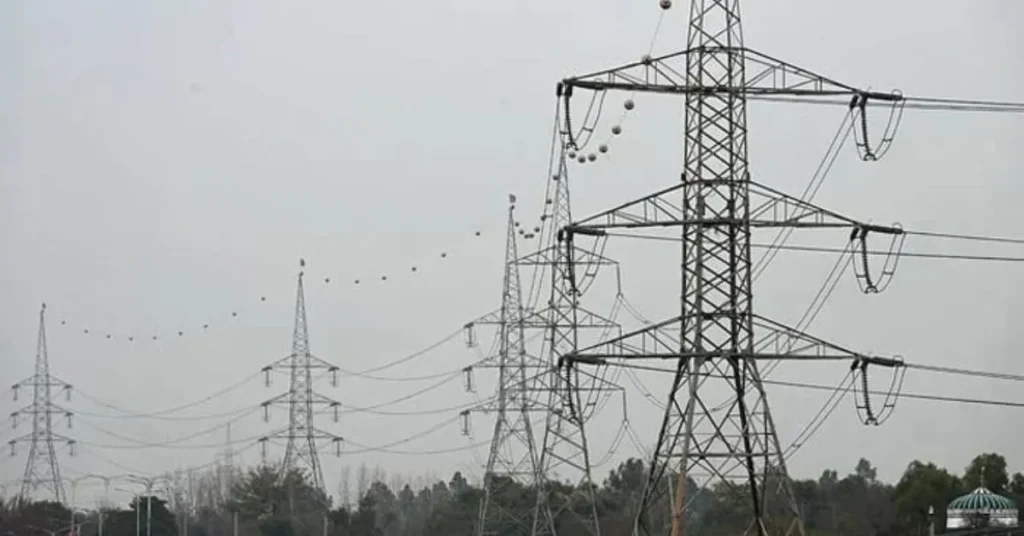
KARACHI (Kashmir English): Authorities are currently exploring solutions to decrease power expenses for electricity consumers throughout Pakistan.
The expected relief could benefit both nationwide users and K-Electric consumers. Officials are reviewing options to reduce the financial burden on households and businesses.
They provide help to users who currently face difficulties because of expensive electricity rates. The potential relief may apply across distribution companies, including K-Electric.
Authorities are assessing different mechanisms to lower bills and improve affordability. Tariff modifications and potential subsidies are currently the main topics of discussion, according to sources.
The steps that follow will establish energy price stability for consumers. The relief plan, if granted approval, will lower electricity expenses for the public while reducing inflation costs.
The relevant authorities will reach their final decisions after conducting additional evaluations. Officials are reviewing how fuel price changes and capacity charges affect electricity costs.
The organization wants to discover ways that help decrease expenses while maintaining stable service delivery. Policymakers are working with stakeholders to establish an effective plan. The organization will present specific actions after they finish their assessment.
IMF orders govt to end all petrol and electricity subsidies
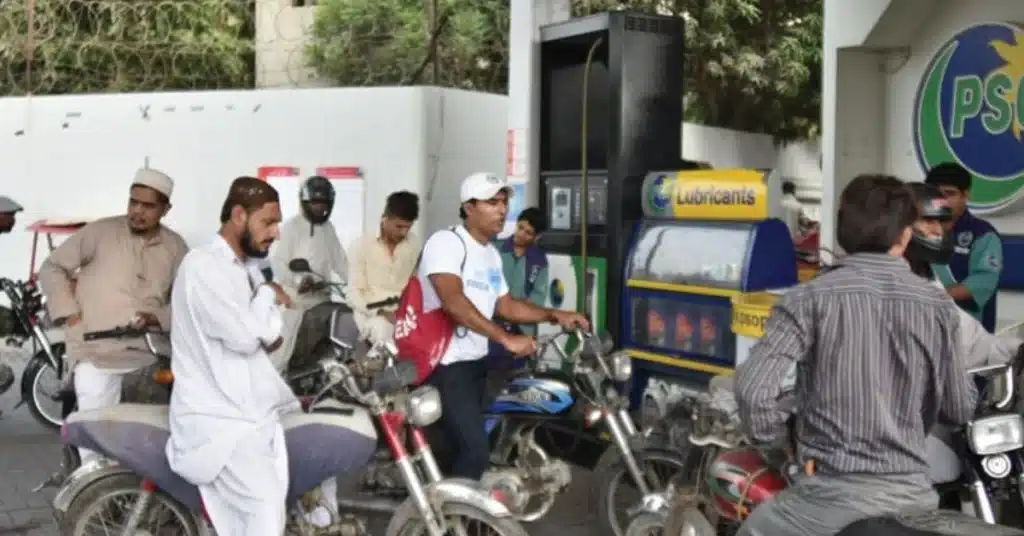
The International Monetary Fund (IMF) requests Pakistan to end all petroleum product subsidies and all electricity subsidies during the current budget negotiations for the 2026-27 federal budget.
The Finance Division received initial virtual consultation from IMF representatives who stated that all fuel and electricity subsidies must end before the next fiscal year, while regulators must receive immediate implementation of their price changes.
The lender requires the government to decrease electricity sector subsidies, while all proposed petroleum and power tariff increases from regulators must be put into effect right away.
The lender required Pakistan to extend its tax system to reach more citizens. The government has been advised to increase the tax-to-GDP ratio by at least 1 percent, expand the tax base, and significantly reduce tax exemptions granted to different sectors.
Pakistan must reduce its non-development government spending to control fiscal pressures and maintain its public financial stability. Pakistan and the IMF continue their discussions about fiscal targets for the next financial year because they need to resolve their taxation measures.
The parties involved have not achieved agreement on any revenue or budgetary targets.