
MUZAFFRABAD (Kashmir English): In a recent development, two more ministers of the Azad Jammu and Kashmir government have resigned from their positions.
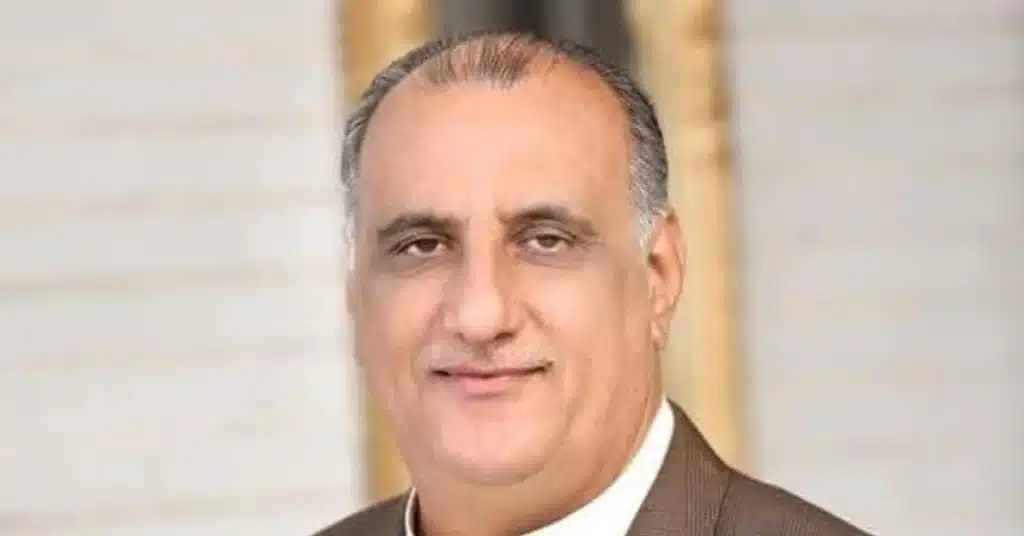
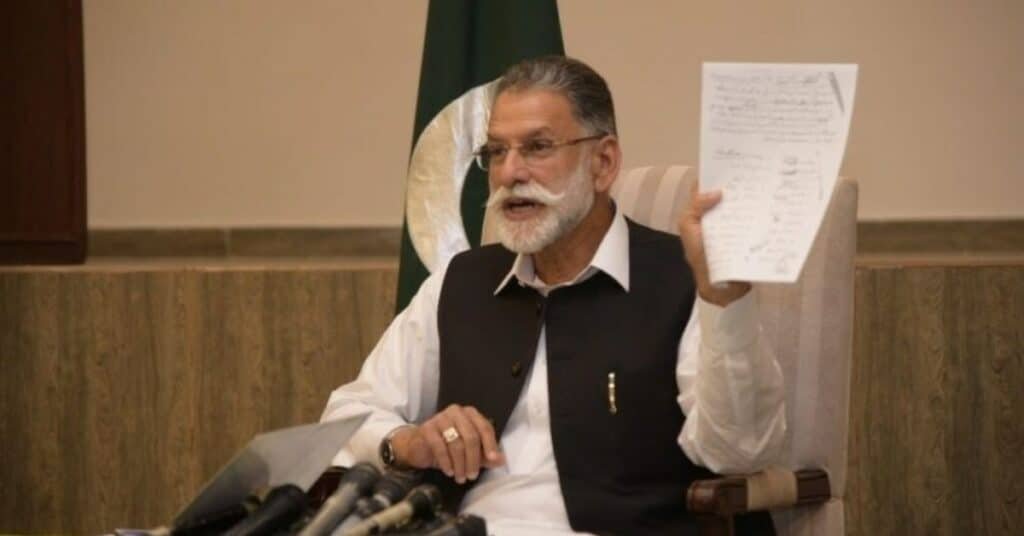
According to the reliable sources, the Finance Minister Abdul Majid Khan and the Minister of Food and Security Chaudhry Akbar Ibrahim have submitted their formal resignation to the Prime Minister of Azad Jammu and Kashmir Chaudary Anwarul Haq.
Additionally, the Ministers have also penned an official letter to the Prime Minister of Pakistan, Muhammad Shehbaz Sharif, urging him to decline the Joint Awami Action Committee’s (JAAC) call for the cancellation of 12 constitutionally reserved seats for Jammu and Kashmir refugees in the Azad Jammu and Kashmir (AJK) Legislative Assembly.
The signatories contend that the reserved seats guarantee representation for displaced Kashmiris who are still state subjects under AJK’s Interim Constitution of 1974, and doing away with them would erode Pakistan’s national position on the Kashmir question and disenfranchise a historically excluded community.
They reminded that the Azad Government of Jammu and Kashmir, which was formed on 24 October 1947, was formed to represent the whole pre-partition State of Jammu and Kashmir, and not merely the areas that had been liberated.
The petition also pointed out that the Karachi Agreement of 1949 and the subsequent constitutional arrangements legitimized this representative function both nationally as well as internationally.
Referencing Article 31(b) and Article 22 of the AJK Interim Constitution, the petition emphasizes that all state subjects — regardless of where they live — are entitled to be represented in the AJK Legislative Assembly, including Pakistan-based refugees and overseas Kashmiris.
The representatives of the refugees also pointed out the historical contribution of Pakistan’s founding leadership, including Quaid-e-Azam Muhammad Ali Jinnah, to the organization of refugee settlement in Pakistan.
They pointed out that the Azad Jammu and Kashmir Refugees Registration and Representation Act, 1960, and subsequent constitutional amendments, codified their representation and voting rights.
The appeal threatened that acceding to JAAC’s demand would undermine Pakistan’s diplomatic stance on Jammu and Kashmir and send a morale-sapping message to Kashmiris on both sides of the Line of Control (LoC).
Lamenting the loss of lives in recent JAAC-organized protests, the petitioners strongly condemned provocative slogans and divisive narratives, which they claimed threaten the ideological solidarity between the people of Kashmir and Pakistan.
In conclusion, the petitioners urged the Prime Minister and national leadership to come out in the public and reaffirm Pakistan’s support for the rights and representation of Jammu and Kashmir refugees and to outrightly reject JAAC’s call for eliminating their constitutional seats.