ISLAMABAD (Kashmir English): The federal government has reportedly decided to impose a state of emergency in Khyber Pakhtunkhwa (KP), with approval expected to be sought from the federal cabinet.
The proposed move has raised questions about the constitutional procedure, the powers of the federation and the authority of the provincial government during an emergency.
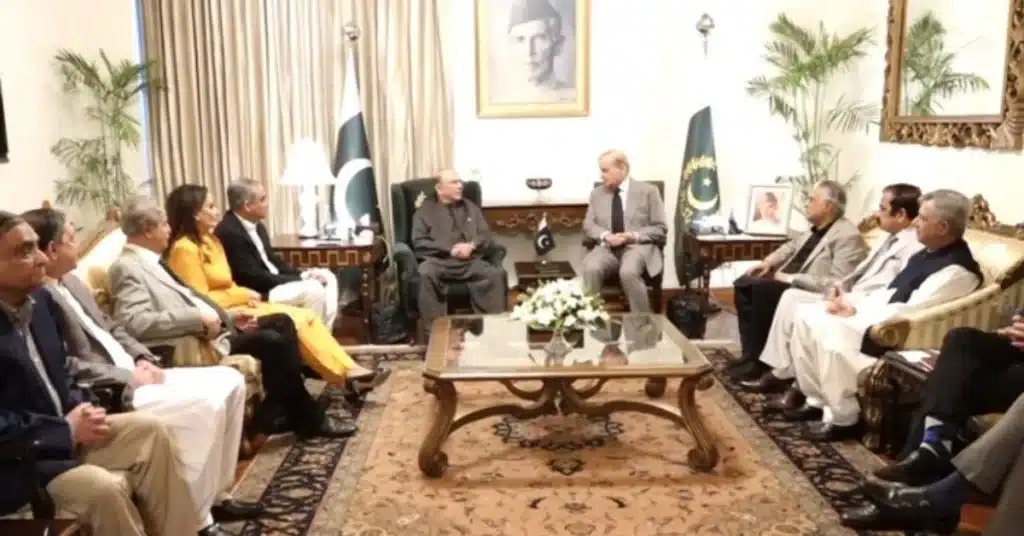
According to sources, a high-level meeting at the Presidency discussed the province’s political and security situation, with participants reportedly agreeing to move forward with the emergency proposal.
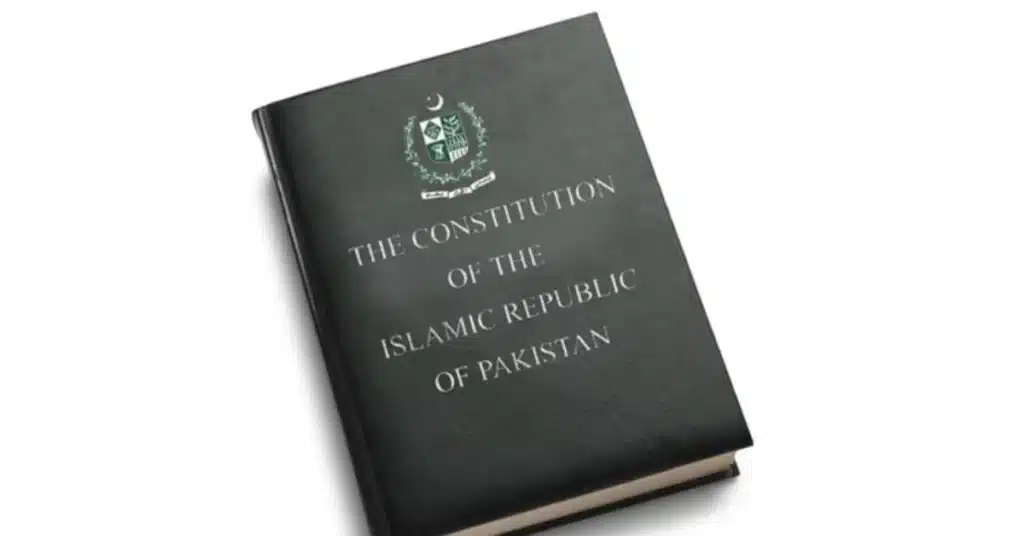
The Constitution of Pakistan provides separate mechanisms for declaring an emergency under Article 232 and imposing Governor’s Rule under Article 234.
Although both provisions deal with extraordinary circumstances, their legal grounds and procedures differ.
What does Article 232 say about imposing an emergency?
Article 232 of the Constitution allows the President to proclaim an emergency if Pakistan’s security is threatened by war, external aggression or internal disturbance beyond the power of a provincial government to control.
Under the constitutional procedure, a proclamation relating to internal disturbance requires a resolution from the provincial assembly concerned. If the President acts on their own initiative in the circumstances specified by the Constitution, the proclamation must be placed before both houses of Parliament for approval within ten days.
During an emergency, Parliament can legislate on matters within the provincial legislative domain, subject to the constitutional provisions governing emergency powers.
The federal government can also issue directions to a provincial government regarding the exercise of its executive authority.
However, an emergency does not automatically mean that the chief minister and provincial government are removed from office or that the provincial assembly is dissolved.
Can the federal government take over KP’s administrative powers?
Article 232 expands the federation’s constitutional authority during an emergency, particularly concerning legislative and executive matters covered by the proclamation.
The federal government may issue directions to the provincial government regarding how its executive powers should be exercised. Parliament may also legislate on matters that would ordinarily fall within the provincial domain while the relevant emergency provisions remain in force.
However, the exact extent of these powers depends on the terms of the proclamation and the applicable constitutional provisions.
An emergency proclamation does not grant the federal government unrestricted authority over every provincial institution. The constitutional position of the provincial assembly, courts and other institutions must be considered separately under the relevant provisions.
What is Governor’s Rule under Article 234?
Governor’s Rule is a separate constitutional mechanism that may be invoked when the government of a province cannot be carried on in accordance with the Constitution.
Under Article 234, the President may act after receiving a report from the provincial governor or otherwise being satisfied that the constitutional conditions for such a proclamation have been met.
The President may assume all or some of the functions of the provincial government or direct the governor to exercise those functions.
The powers of the provincial assembly may also be exercised by or under the authority of Parliament, as provided by Article 234.
However, Article 234 does not authorise the President or governor to assume the powers of a High Court or transfer those judicial powers to the governor.
How long can Governor’s Rule remain in force?
A proclamation under Article 234 must be approved by both houses of Parliament within two months. If approved, it remains in force for six months unless revoked earlier.
Its continuation beyond the initial period requires further parliamentary approval in accordance with the Constitution. Governor’s Rule cannot remain in force for more than six months in total.
This procedure differs from Article 232, which governs emergency proclamations and their parliamentary approval requirements.
Will the KP chief minister lose his powers?
The effect on Chief Minister Sohail Afridi and the provincial government would depend on the constitutional provision invoked and the terms of the proclamation.
Under Article 232, the imposition of an emergency does not automatically remove the chief minister or dissolve the provincial assembly. The federal government gains additional constitutional powers, but the provincial administration does not necessarily cease to function.
Under Article 234, however, the President may assume provincial executive functions or direct the governor to exercise them. This can significantly alter the way the province is governed.
Therefore, an emergency under Article 232 and Governor’s Rule under Article 234 should not be treated as interchangeable measures.
What happens next in KP?
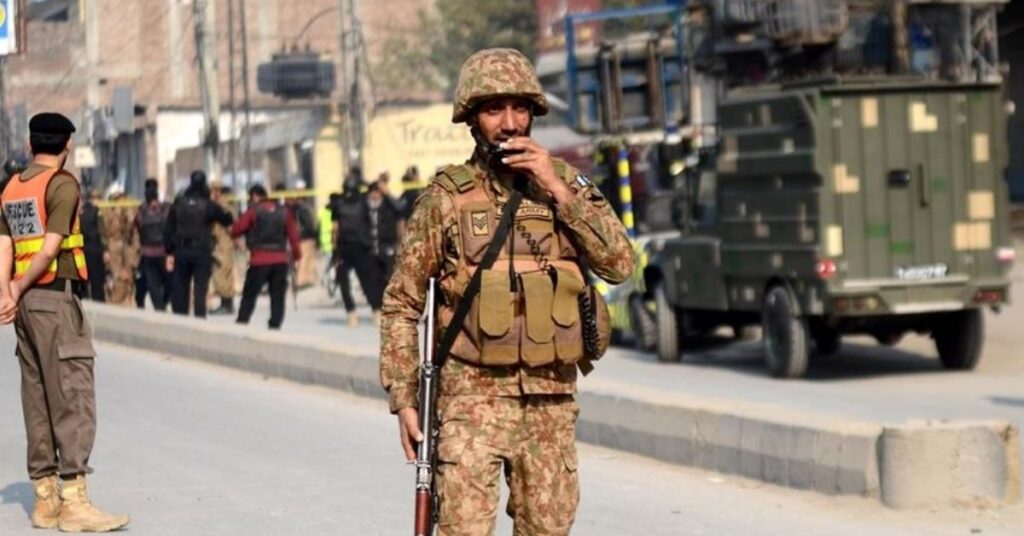
According to sources, the federal government is expected to seek the cabinet’s approval for the proposed emergency. The reported plan comes amid concerns about security and political tensions in Khyber Pakhtunkhwa.
The final legal and administrative consequences will depend on the constitutional provision used, the wording of any proclamation and the required parliamentary approvals.
As of the information provided, the proposed measure has been reported by sources, but its formal implementation should not be treated as confirmed until an official proclamation or government notification is issued.