
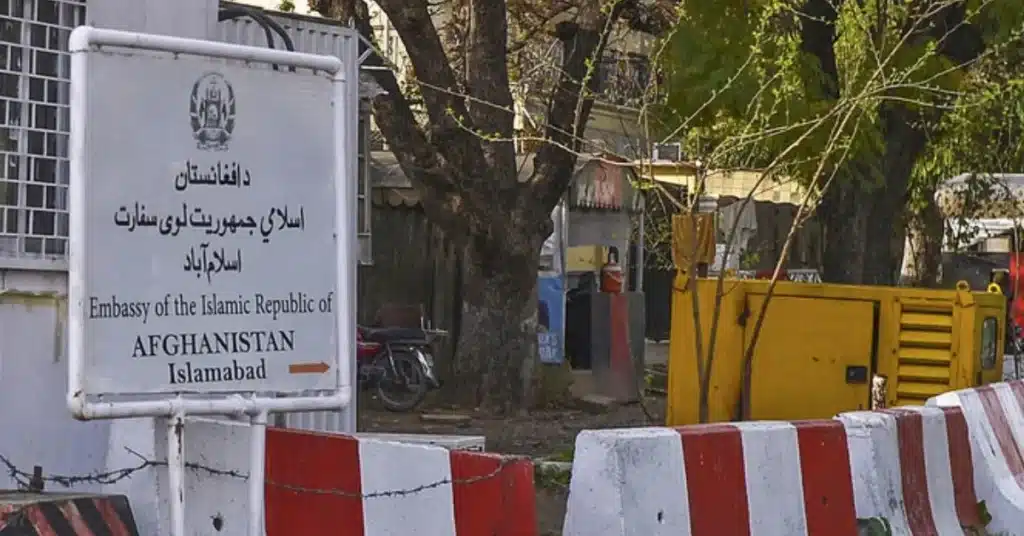
ISLAMABAD (Kashmir English): The Afghan Embassy in Pakistan panicked after the Pakistan Medical and Dental Council (PMDC) ordered Afghan students enrolled in medical and dental colleges across the country to return to their home country.
In its communique, the PMDC has also barred public and private medical institutions from granting admission or placement to Afghan students.
The decision was taken as per the government’s Illegal Foreigner Repatriation Plan (IFRP), which stated that the stay of any foreign national without a valid visa and passport is illegal, and the concerned individual is liable to deportation.
Following the announcement, in a post on X, the Afghan Embassy in Islamabad expressed deep concern regarding the “forced deportation of Afghan medical students” currently pursuing their studies in Pakistan.
په اسلامآباد کې د افغانستان لوی سفارت د پاکستان د طبي او غاښونو شورا (PM&DC) له لوري د هغو افغان طبي محصلینو د ایستلو په اړه چې په پاکستان کې د طب په برخه کې زدهکړې کوي، ژوره اندېښنه څرګندوي.
موږ دغه اقدام د هغو افغان محصلینو پر تحصیلي بهیر او راتلونکي د پام وړ اغېزمنوونکی…
— AFG Embassy Pakistan (@AfghanEmbPak) September 8, 2026
The Embassy said that this measure will have a significant impact on the academic progress and future of Afghan students who commenced their studies through lawful and established procedures and, after years of dedication, time, and considerable financial and personal investment, are in the process of completing their respective academic programmes.
“The Embassy of Afghanistan in Islamabad calls upon Pakistan’s educational authorities, as well as relevant international medical, educational, humanitarian, and professional institutions, to give due attention to safeguarding the academic rights of Afghan students and to ensure that they are able to complete their studies without interruption or undue obstacles,” the statement said.
The Embassy further emphasizes that vital areas such as knowledge, education, and human relations should remain protected from political disagreements.
“Academic and educational opportunities should not be adversely affected by political differences or developments,” it concluded.