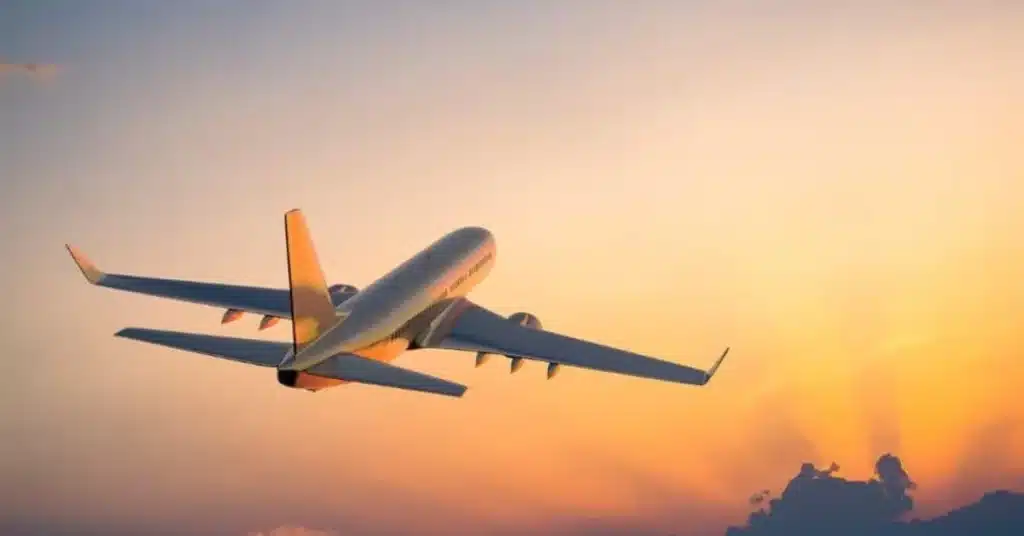
ISLAMABAD (Kashmir English): Direct air linkage between Iraq and Pakistan has officially kicked back in after a pause that lasted 86 days, so it sort of brings back a key travel corridor for people moving between both countries.
As reported, Iraq Air flight IA-409 showed up in Karachi from Baghdad at 4:53 AM this morning, with passengers onboard for the very first restored run.
Soon after that, the return flight IA-410 left Karachi bound for Baghdad at 7:14 AM, and that basically reactivated the route in both directions, more or less. The service was stopped for almost three months, and the final inbound flight from Baghdad landed in Karachi on February 28.
For reference, the outbound IA-409 was last seen operating on February 15. Also, scheduled runs on May 2 and May 3 had been canceled earlier, which ended up stretching the suspension.
Meanwhile, aviation sources added that Iraq Air is considering more expansion, and direct flights from Baghdad to Islamabad are expected to begin soon, which should enhance connectivity and give travelers additional options between the two countries.
Earlier, the United Arab Emirates imposed travel restrictions that prevented its citizens from entering Iran, Lebanon, and Iraq, while requiring Emirati citizens who are currently in these countries to return to their home country.
The UAE Ministry of Foreign Affairs issued a statement that explained that the decision was made because of ongoing regional security issues and recent Middle East developments.
The ministry required Emirati citizens to follow the safety advisory because it would protect their well-being. The government issued a directive that requires all citizens present in Iran, Lebanon, and Iraq to exit those nations as soon as they can.
The authorities declared that citizens must keep in touch with the Ministry of Foreign Affairs who should handle emergency situations which arise.
The officials described the measure as precautionary, which would protect the safety and security of UAE citizens overseas because of changing conditions in the Middle East.