MUZAFFARABAD (Kashmir English): Azad Jammu and Kashmir (AJK) Finance Minister Chaudhry Qasim Majeed on Monday presented the budget worth Rs286 billion for the Fiscal Year 2026-27.
In his budget speech, the finance minister said that the Azad Kashmir government is providing resources to the tourism sector for laying a strong foundation for the state’s economy.
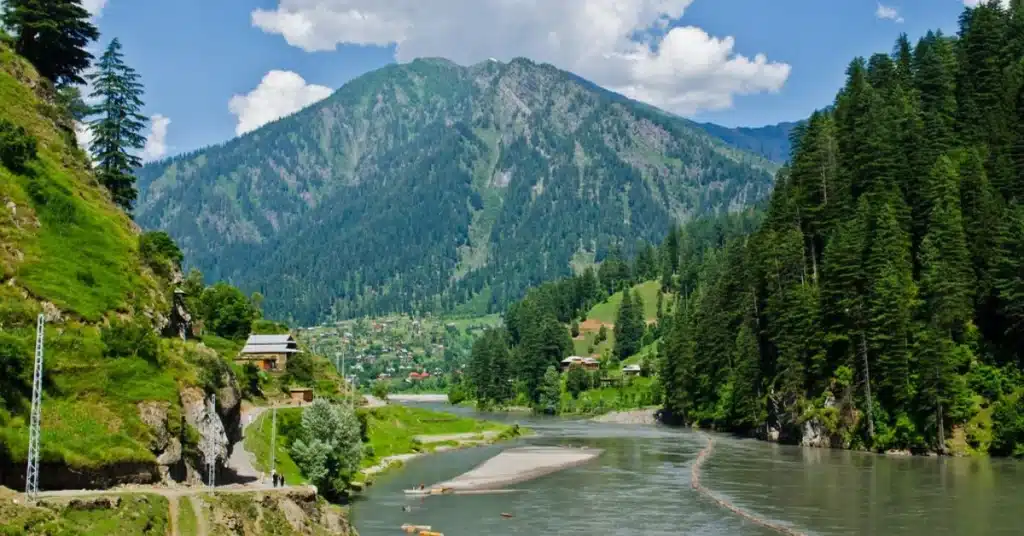
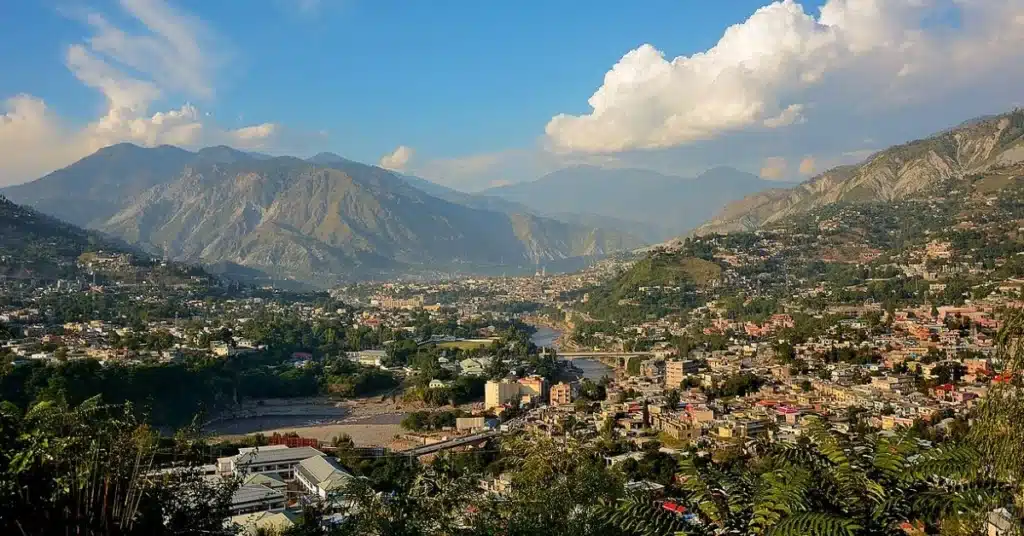
He announced that the government has allocated Rs300 million for the tourism sector, which includes the repair and restoration of Muzaffarabad Fort, renovation and beautification of tourist destinations, and capacity building of the Tourism Department.
Under this budget, the government will conduct a tripartite study of the existing assets, as well as the acquisition of consultancy services for the master planning of the beautiful tourist destinations of Azad Kashmir.
The Finance Minister further said the government has proposed to include four new projects worth Rs. 190 million for the tourism sector, while Rs60 million has been proposed for projects’ implementation.
Under which, the green and sustainable tourism, renovation of central tourist rest houses, feasibility of Nala Mahal Bagh and Nala Kayan Rawalakot water bodies, and restoration and protection of archaeological sites will be implemented.
Transport sector
In his budget speech, the Finance Minister said that Rs150 million has been proposed in the upcoming Annual Development Program 2026-27 for the development and improvement of the transport sector in AJK.
Under this budget, a scheme is being proposed for issuing fitness certificates after computerized checking of public service transport in Azad Kashmir, in order to provide better and safer travel facilities to the people, he stated.
Moreover, the minister added that Rs20 million has been proposed to be allocated for the Wildlife and Fisheries Department in the financial year 2026-27.
“Under the budget, it is proposed to include various projects such as developing the management and infrastructure of protected areas on a scientific basis, protecting biodiversity, and raising fish with the participation of local people.”