MUZAFFARABAD (Kashmir English): According to the Meteorological Department report, rainfall will be less than normal in most parts of the country; however, more than normal rainfall has been predicted in Kashmir, Upper Khyber Pakhtunkhwa, and Gilgit-Baltistan.
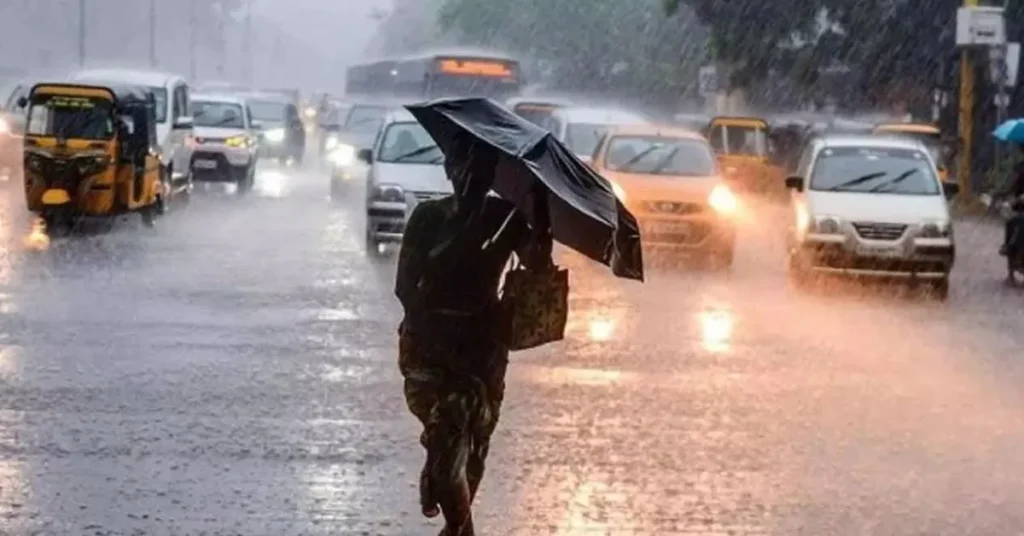
The Meteorological Report, while issuing a forecast for the upcoming monsoon season 2026, has expressed the fear of heavy rainfall and urban flooding in major cities of Sindh, Punjab, and Khyber Pakhtunkhwa.
According to the alert, despite the overall rainfall being less than normal in most parts of the country, the risk of flooding will continue to exist.
According to the details, less than normal rainfall is expected in most parts of the country from July to September. DG Met Office Dr. Muhammad Afzal said in this regard that due to less than normal rainfall, agriculture and crops may be severely affected. Along with this, due to the change in weather, various seasonal diseases will also increase.
Urban flooding and flood risks
DG Met Office Dr. Muhammad Afzal clarified that the reduction in rainfall does not mean that the risk of flooding has been averted, but rather the risk of urban flooding will continue to exist in different areas.
Due to spells of heavy monsoon rains, there is a serious threat of urban flooding in major cities of Sindh, Punjab, and Khyber Pakhtunkhwa, which may affect the urban system.
In addition, temperatures are likely to remain above normal across the country from July to September. Especially in northern Punjab and western Gilgit-Baltistan, there will be extreme heat, which is likely to cause ‘heat stress’.
Water shortage and glaciers are likely to burst
The report warns that the risks of severe water shortage may increase due to below-normal rainfall in Punjab, Sindh, and Balochistan.
On the other hand, higher than normal temperatures are likely in the upper regions, due to which the risks of floods due to melting glaciers and the bursting of lakes are expected to increase significantly.