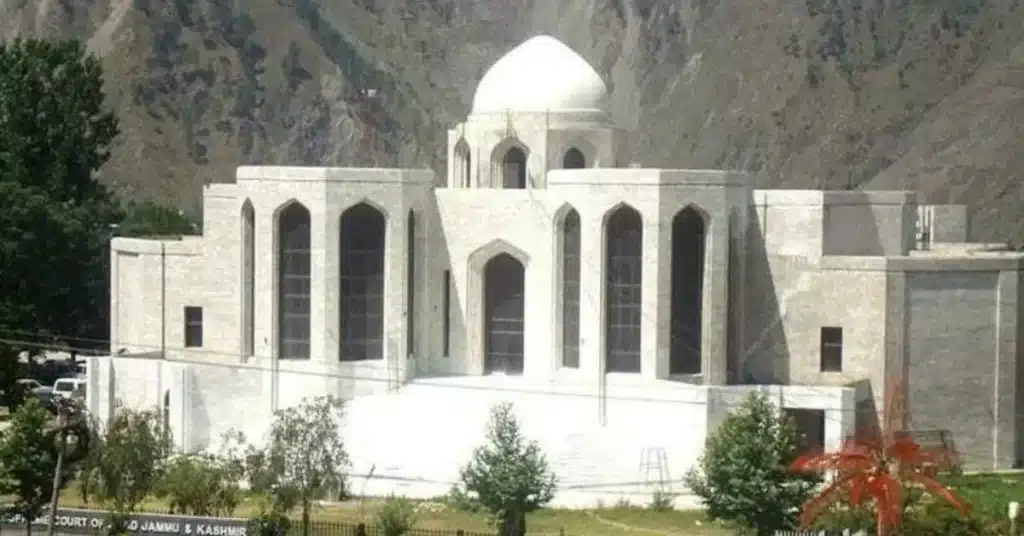
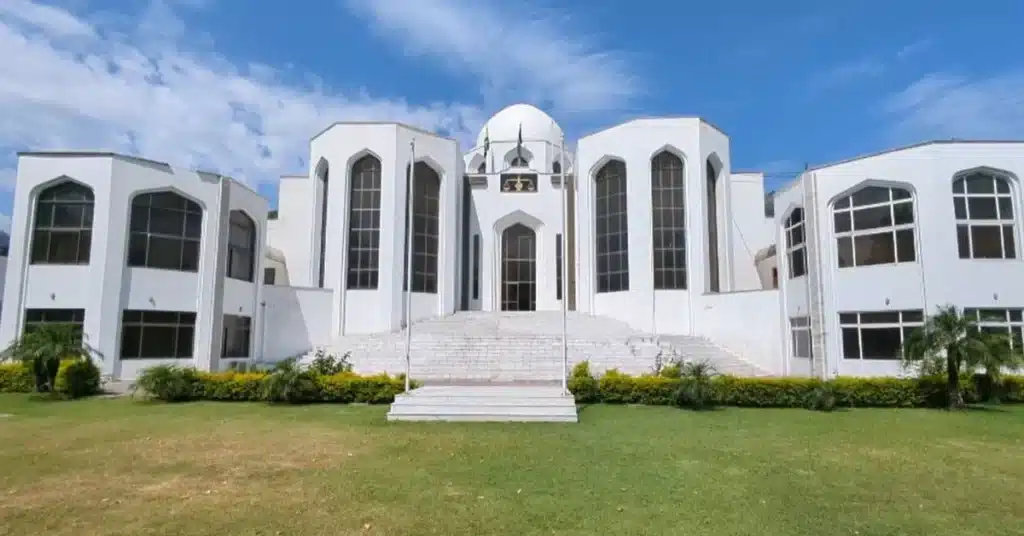
MUZAFFARABAD (Kashmir English): The Supreme Court of Azad Jammu and Kashmir, while issuing its most important and sensitive legal opinion on the Presidential Reference, has declared the government’s position on the issue of refugee seats absolutely correct and has completely rejected the politics of pressure.
The Supreme Court has clarified in its decision that the 12 refugee seats in the Azad Jammu and Kashmir Legislative Assembly have full constitutional protection, which cannot be changed through any administrative decision.
Inevitability of constitutional amendment and JAAC’s position rejected
According to the details, the Supreme Court, while giving its opinion on the Presidential Reference, has declared that these 12 refugee seats are protected under Article 22 of the Constitution.
According to the court, to bring any kind of change in the number or status of these refugee seats, it is necessary to make a formal constitutional amendment under Article 33.
This court opinion has completely rejected the position of the Public Action Committee, under which the impression was being given that constitutional demands can be met through street pressure and confrontation.
Parliamentary Supremacy and Power of the Elected Assembly
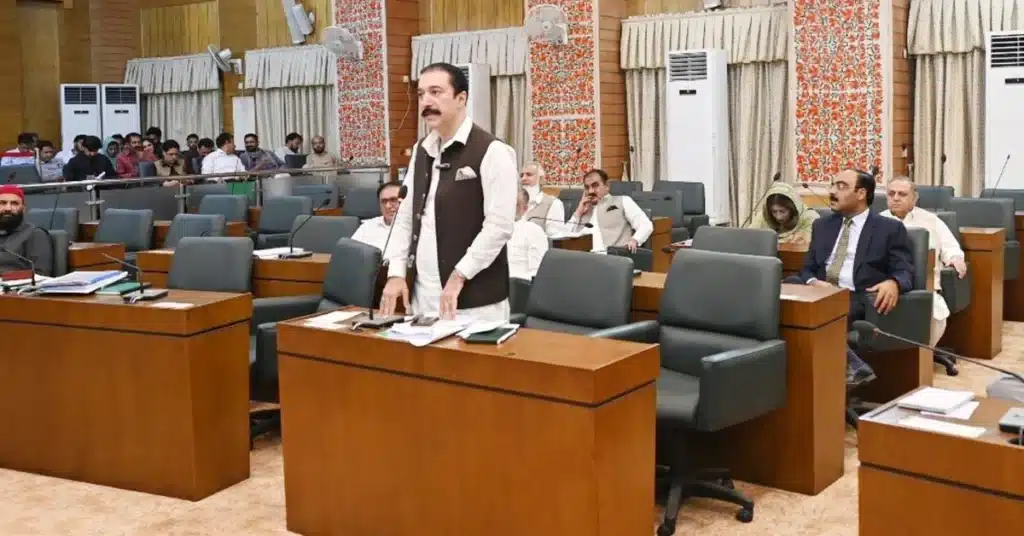
The Supreme Court of Azad Kashmir has upheld the principled decision of the government to entrust all remaining constitutional matters to an elected assembly.
The court has made it clear in a categorical manner that no constitutional change is possible without a public mandate, parliamentary debate, and the prevailing constitutional procedure.
According to the court’s opinion, the government’s position on the remaining two important demands has also been proven correct, as the final decision on all constitutional questions will be taken by the elected representatives, not by pressure groups on the streets.
Timely elections and the responsibility of the state
The opinion further states that under Article 22(4), elections must be held on time, and any ongoing protest or political conflict in the region cannot hinder this constitutional process.
The Supreme Court has declared that ensuring timely elections in the country and maintaining peace and order of the citizens is a fundamental constitutional responsibility of the state.
This court opinion has further strengthened and consolidated the basis for strict legal action against those who illegally interfere in the election process and the functioning of state institutions.
Limits of peaceful protest and supremacy of the constitution
The Supreme Court, while setting limits in its decision, clarified that peaceful protest is certainly the constitutional right of every citizen, but actions like blocking roads, intimidation, and disrupting the normal life of the public in the name of protest do not enjoy constitutional protection in any way.
The Supreme Court categorically stated that the only legal way to change the constitution is through the vote of the legislative assembly and the people, not pressure and confrontation.
This historic opinion of the court has greatly strengthened the government’s stance on the supremacy of the constitution, the rule of law, and the protection of peace and stability of the state in the region.