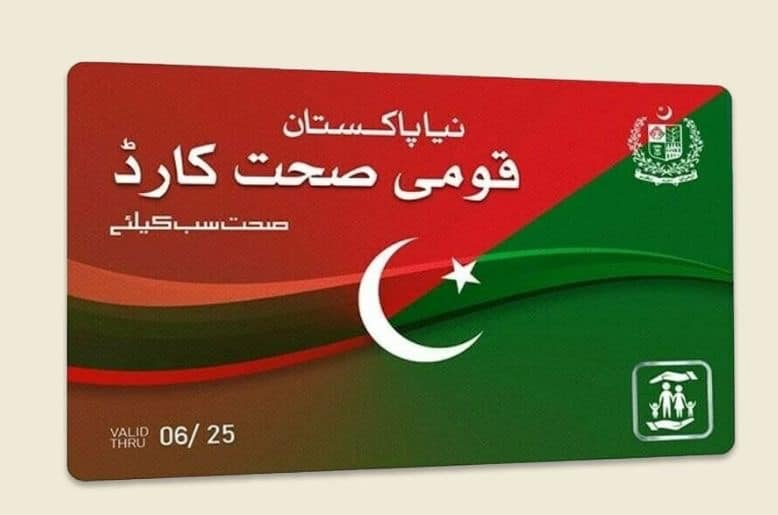
PESHAWAR: Serious financial irregularities have been uncovered in the procurement of medicines and medical equipment under Khyber Pakhtunkhwa’sSehat Card Plus programme, raising concerns about unnecessary government spending and losses to the public exchequer.
According to a report, a significant difference has emerged between discounts offered through the provincial government’s central procurement system and those obtained by hospitals operating under Sehat Card Plus.
The report reveals that the government’s central purchasing system secures discounts of up to 70 per cent, while Sehat Card Plus hospitals purchase medicines at discounts of only 15 per cent.
This substantial gap has raised questions about procurement practices and the possibility of avoidable financial losses.
The findings further reveal that hospitals linked to Sehat Card Plus bypass the government’s central procurement mechanism and purchase medicines at comparatively higher prices from local suppliers, despite the availability of a system offering medicines at lower rates.
According to the report, medicines, medical equipment and other supplies account for approximately 40 to 45 per cent of the programme’s total medical expenditure.
Separate purchasing arrangements by individual hospitals are reportedly increasing procurement costs and placing an additional burden on the provincial government’s finances.
The report has also highlighted concerns regarding price regulation, quality control and transparency in the procurement of medicines and medical equipment under the health programme.
Recommendations to Prevent Financial Losses
To address the identified irregularities and improve transparency, the report has recommended several measures:
-
Conduct a comprehensive digital audit of Sehat Card Plus procurement practices.
-
Arrange an independent third-party audit to examine purchasing procedures and financial transactions.
-
Immediately integrate the programme’s procurement system with the government’s central purchasing mechanism.
-
Ensure transparent procurement of medicines and medical equipment.
-
Strengthen price regulation and quality-control mechanisms.
-
Prevent hospitals from purchasing supplies at unnecessarily higher prices.
The recommendations aim to reduce unnecessary expenditure, protect public funds and ensure that medicines and medical equipment are purchased at competitive rates.
The findings have raised questions about financial oversight of the Sehat Card Plus programme and the need for stronger procurement controls in Khyber Pakhtunkhwa.