ISLAMABAD (Kashmir English): An economist claims that the price of petrol in Pakistan would drop to Rs.30 per litre because current energy policies need to support both electric mobility and solar power development.
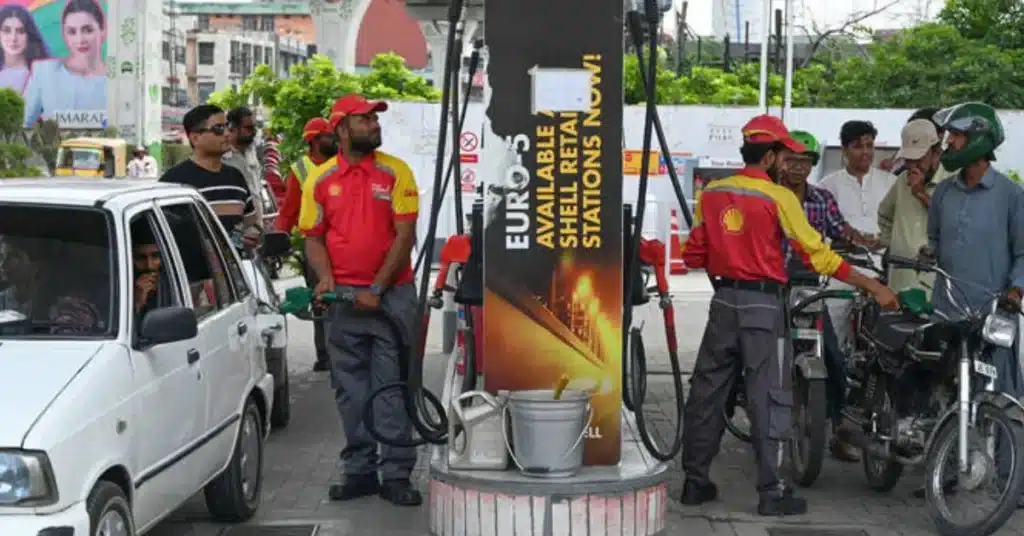
The economist points out that the government failed to establish effective energy policies. The economist demonstrated that consumers only pay for mobility because they purchase petrol at Rs.300 per litre.
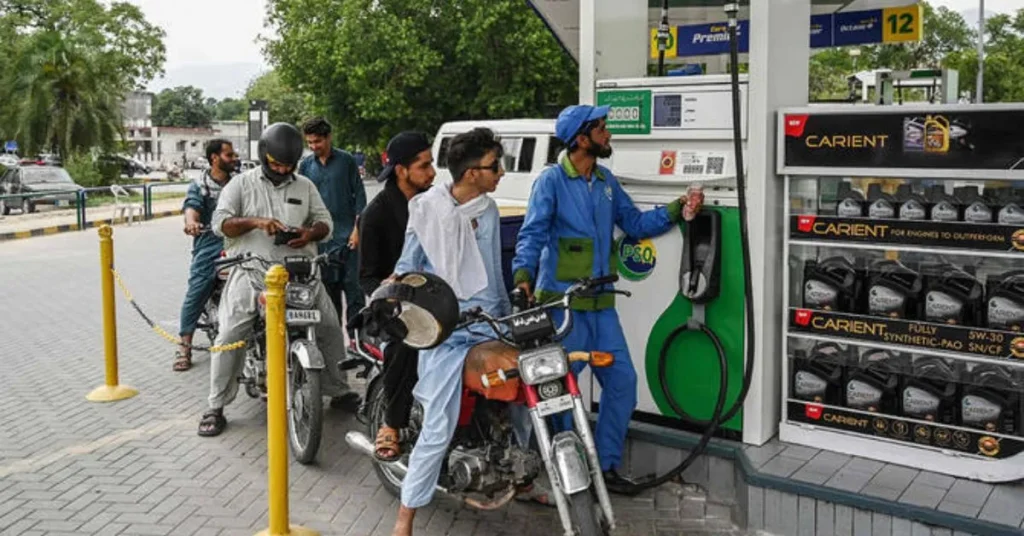
The dominant mode of transportation in Pakistan is motorbikes, which achieve a fuel efficiency of 60 kilometers per litre. An electric scooter requires approximately 2 kWh of electricity to travel the same distance as an electric scooter.
The levelized cost of solar electricity in Pakistan reaches approximately 5 cents per kWh because the country possesses strong solar energy potential. Consumers who pay 10 cents per kWh would need to spend approximately Rs30 to travel 60 kilometers, which creates a clear difference from current petrol prices.
The economist cited structural inefficiencies and policy mistakes as the reasons for this gap. The economist identified Pakistan’s dependence on imported fossil fuels and its development of power plants through foreign loans, which guarantee returns, as factors that have raised electricity prices while stopping energy sector innovation.
He further asserted that solar energy’s modular design would have allowed small domestic producers to enter the market, which would create job opportunities and generate investment prospects.
The electric vehicle infrastructure, through its charging networks and battery swapping systems, and smart pricing technologies, would have encouraged local businesses to engage in the market.
The absence of supportive regulations has restricted the progress of these projects. The people face problems from electricity expenses, which are too high, from taxation, and from the difficulties that net metering creates.