ISLAMABAD (Kashmir English): Pakistan has given a written assurance to the International Monetary Fund (IMF) indicating a major change in the current electricity subsidy system.
A new system will be introduced in 8 months, under which the untargeted subsidy given to all residential consumers up to 200 units will be abolished, and a targeted subsidy will be introduced from January 2027.
The new policy will impact residential consumers with up to 300 units of monthly consumption.
Sources said that the government will give any further subsidies only through the Benazir Income Support Programme (BISP) as part of the conditions agreed for a $1.2 billion climate support loan.
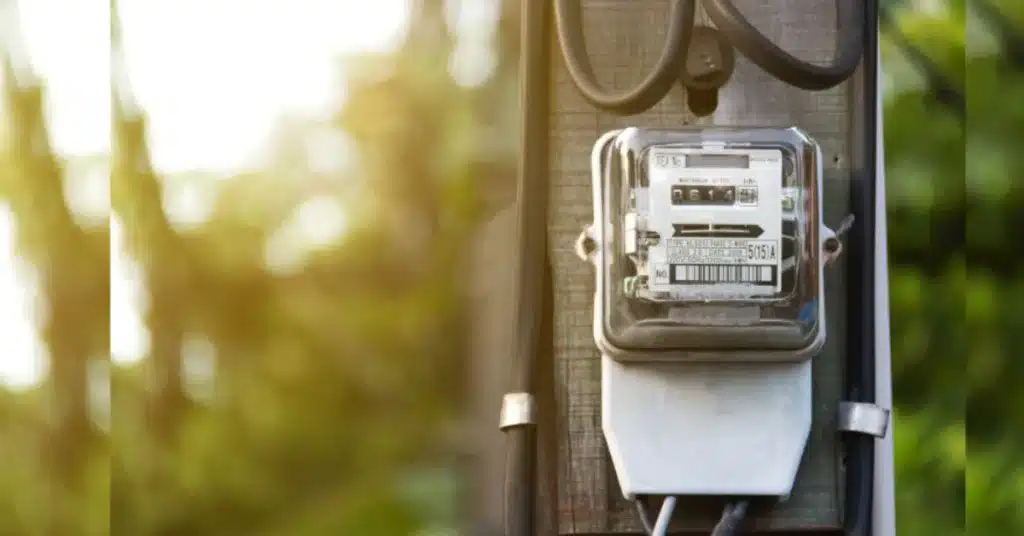
According to the reports, in the current system, there is a tendency for many households to install two or three electricity meters and keep the consumption of each meter below 200 units in order to get maximum subsidy; however, the implementation of the new system will discourage this practice.
For this purpose, the government is developing a system to link electricity consumers with the National Socio-Economic Registry (NSER), which will also receive support from the World Bank, while an effective mechanism will be devised through an external firm for the payment of subsidies.
Meanwhile, the government is preparing to extend the e-water system introduced in Punjab to Sindh, Khyber Pakhtunkhwa, and Balochistan from the next financial year, while work is also underway on reforms to adjust irrigation water tariffs according to operation and maintenance costs.
Top government sources say that Pakistan is close to receiving the second tranche of $200 million under the Resilience and Sustainability Facility (RSF), for the approval of which the IMF Executive Board will meet in Washington on May 8, 2026.