ISLAMABAD (Kashmir English): The newly proposed Automotive and Auto Parts Policy 2026–31 could make conventional and new energy vehicles cheaper, as it proposes a reduction in import taxes on vehicles.
Prime Minister Shehbaz Sharif on Tuesday approved a five-year automotive policy, rejecting the International Monetary Fund’s (IMF) proposal to raise the sales tax on electric vehicles.
The policy aims to strengthen Pakistan’s automotive industry by increasing local production, promoting exports, improving competitiveness, and encouraging the adoption of electric vehicles (EVs). It sets a target of increasing vehicle exports to $6 billion over the five-year period.
According to the policy draft, import duties on vehicles will be reduced in stages, and the tariff will be brought up to 15 percent by 2030-31 to increase competitiveness in the auto sector. The framework proposes a 10 per cent federal excise duty on electric vehicles valued above $75,000.
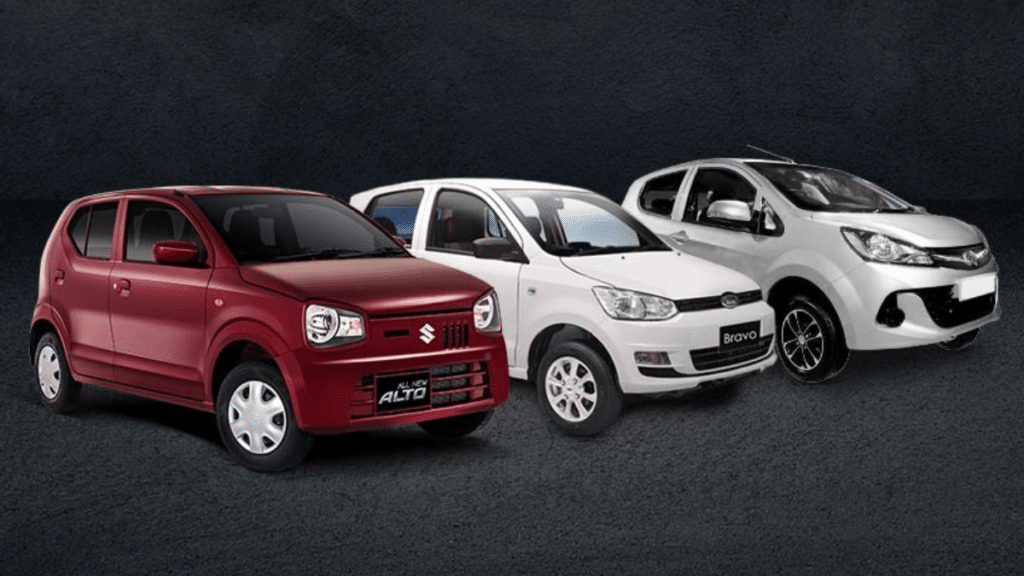
As a result of the new policy, the local Suzuki Alto price of Rs3.2 million would come down to Rs2.845 million in this fiscal year because of a 15% tax on CKD and 18% sales tax, The Express Tribune reported.
But the reduction for NEV is substantial in the same category, where the price will come down from Rs4 million to Rs2.7 million for Wuling Bingo BEV.
It also suggests an additional levy on conventional vehicles to encourage local manufacturers to increase exports. The final price cut, if any, will depend on the policy’s approval and implementation.
In addition, the policy will also result in a reduction in the Suzuki Cultus price from Rs4.3 million to Rs3.8 million in the first year, but the comparable BEV will see a reduction from Rs5.3 million to just Rs3.6 million within a year.
Similarly, the policy draft shows that the Yaris 1496cc price will go down from Rs6 million to Rs5.3 million. Likewise, the price of the Kia Sportage will decrease from Rs12.2 million to Rs11.1 million, and the price of the comparable Haval AWD PHEV will fall from Rs12.9 million to Rs11.1 million in the first year.
Tax on EVs to be reduced
Moreover, the sales tax on electric vehicles will be reduced gradually by 2031.
The sales tax on battery electric vehicles (BEVs) would remain at 1 per cent from 2026 to 2031, and a sales tax of 6 per cent will be imposed on range-extended electric vehicles, while plug-in hybrid electric vehicles would be subject to a 9 per cent rate, it added.
The policy also proposes reducing import duties on electric vehicles, including smaller EVs priced below $15,000, to make them more accessible to consumers.
To facilitate purchases, the financing limit for electric vehicles is proposed to increase from Rs3 million to Rs10 million, while the maximum financing period would be extended from three to five years.
The measures are intended to promote electric mobility and improve access to smaller, more affordable vehicles.