DHAKA (Kashmir English): The Pakistani healthcare sector has emerged as an emerging and new potential destination for Bangladeshi patients seeking overseas treatment while significantly lessening reliance on traditional providers due to rapidly changing geopolitical equations in South Asia.
A growing number of Bangladeshi patients looking for overseas treatment find it increasingly inconvenient to travel to Indian facilities following strained ties and complex visa processing mechanisms introduced by New Delhi in recent times, post the regime change in Dhaka last year (2024).
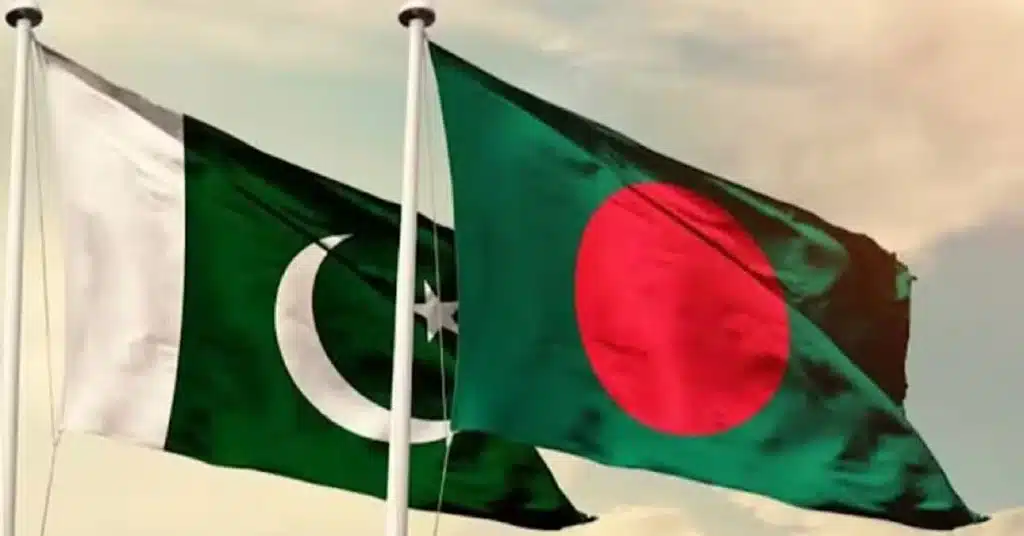
This comes in addition to strengthened bilateral engagement between Pakistan and Bangladesh since the beginning of the current year and expanding areas of mutual collaboration between the two countries.
Talking to sources, Bangladesh High Commissioner to Pakistan Md Iqbal Hussain Khan discussed in length the market for outgoing medical tourism at a meeting with Federal Health Secretary Muhammad Aslam Ghauri, in attendance Muhammad Arshad Qaim Khani, CEO of the Prime Minister’s Sehat Card Programme and chairman of Pakistan’s National Health Tourism Working Group. For years, medical tourists from Bangladesh primarily relied on Indian healthcare facilities due to their proximate location, lower costs of treatment, the availability of many specialized treatment options and an established hospital network; however, the souring relationship with New Delhi after Sheikh Hasina’s removal last year, compounded by issues of visa availability in Indian health visas, has forced both countries to reevaluate their options.
Bangladesh has pressed Pakistan for easier visa approvals, seamless air connectivity and mechanisms to facilitate identifying a suitable and accessible healthcare facility with reasonable facilities for their patients. Muhammad Aslam Ghauri, the Federal Health Secretary, assured, would cooperate fully with its Dhaka counterparts and that concerned institutions in Pakistan would also coordinate efforts to simplify the process.
They agreed to further accelerate the work on a Pakistan-Bangladesh Health Cooperation Memorandum of Understanding, which is expected to set an institutional framework for the future facilitation of medical travel and development of their healthcare services.
To effectively market its health sector, Pakistan also floated ideas of showcasing renowned hospitals and state-of-the-art medical facilities, improving international outreach through organized visits, and launching specific programs aimed at enhancing the patient experience.
It has also been proposed that Pakistan will hold healthcare road shows in Bangladesh, targeting hospitals and centers of excellence in that country, in addition to creating a structured process for bringing Pakistani medical providers and international healthcare facility partners through engagement with relevant hospitals, potential patients, and intermediaries.
Muhammad Arshad Qaim Khani expressed that Bangladesh’s growing outward medical treatment market offers a huge prospect for Pakistan, predicting that if it could draw in just 25pc of the nearly 800,000 annual Bangladeshi outward medical tourists, the business would be substantial.
“ Around 200,000 Pakistani patients could receive healthcare services annually in Pakistan, resulting in approximately $1.5 billion in healthcare tourism revenues”, he hinted. Under the “Heal in Pakistan” agenda of the Pakistani government, a comprehensive National Health Tourism policy and a Roadmap and work are underway.
He underlined the importance of enhanced air connectivity and a streamlined visa approval process to support health tourism alongside the availability of internationally accredited medical facilities, targeted international promotion and effective patient management services to make the initiative a success.
Pakistan, in the meeting, further offered to provide its valuable and extensive experience in the execution of Prime Minister’s Sehat Card Program.
Dr Zakiuddin Ahmed noted the strong potential of Pakistan to attract substantial patient flow from Bangladesh aiming for effective and cost-friendly healthcare abroad.
He said, while Pakistan possessed all the necessary facilities from proficient specialists and doctors to well-trained and top- notch professionals in well-equipped facilities that could provide advanced medical services, to lure international medical tourists, a cohesive and consolidated international marketing campaign needs to be orchestrated to achieve the same through a focused global promotional drive.
Based on the Turkey model, “it requires integrating medical expertise with eased-out medical visa facilities, improved connectivity, internationally credentialed hospitals and proactive medical tourism promoting agencies and government institutions”, said Dr Zakiuddin.
Furthermore, he said, “connecting Bangladeshi patients with certified Pakistani hospitals will prove vital through established and dependable facilitation channels and organizations to fully reap this huge market opportunity”.