MUZAFFARABAD (Kashmir English): The State Earthquake Reconstruction and Rehabilitation Agency (SERRA) has said that the overall reconstruction programme in earthquake-affected districts of AJK has a total estimated volume of Rs225 billion, of which Rs181 billion has been spent so far.
Speaking ahead of the 21st anniversary of the deadliest October 8, 2005 earthquake, SERRA Secretary Rafaqat Hussain Khan said that 7,608 projects had been identified under the reconstruction programme, with 5,878 projects completed and handed over to the relevant departments.
Around Rs44 billion is still required to complete the remaining reconstruction work, including Rs20.113 billion for ongoing projects and Rs24.013 billion for other remaining schemes, he added.
SERRA official said the heavy loss of life in the 2005 earthquake highlighted the importance of earthquake-resistant construction and disaster preparedness, particularly in educational institutions and public buildings.
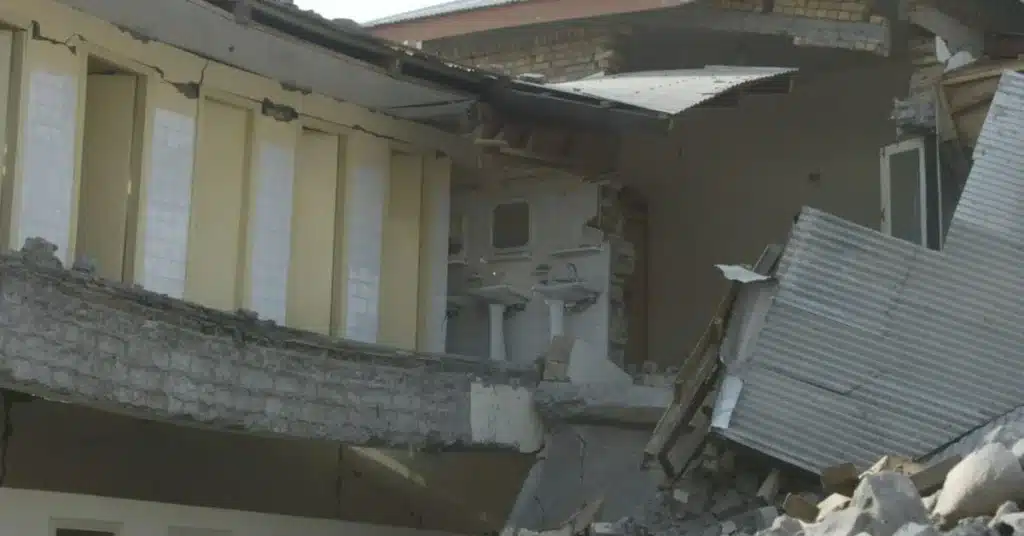
He recalled the devastating impact of the 7.6-magnitude earthquake on Azad Kashmir, saying that the disaster affected 56 percent of AJK’s population, killing more than 46,000 people and injuring around 33,000 others.
More than 300,000 private properties were destroyed, while health, education, water supply, drainage and communication infrastructure in around 53 per cent of the region were severely damaged, SERRA said.
“The estimated total losses from the earthquake were around Rs125 billion at the time, including Rs61 billion in the private sector and Rs64 billion in government offices and public facilities.”
Speaking on the occasion, Rafaqat Hussain said that SERRA has set a December 2026 deadline for completion of 53 educational institutions in earthquake-affected districts of AJK, with 14 of the 67 targeted projects already completed.
He added the projects were being completed under a Rs1 billion allocation provided by Prime Minister Shehbaz Sharif in June 2026 at the request of the AJK government.
The statement issued by the PID said that these projects are part of the 100-day reform programme, aimed at accelerating the completion of ongoing educational infrastructure projects in earthquake-affected areas and ensuring the restoration of educational facilities.
More to Follow