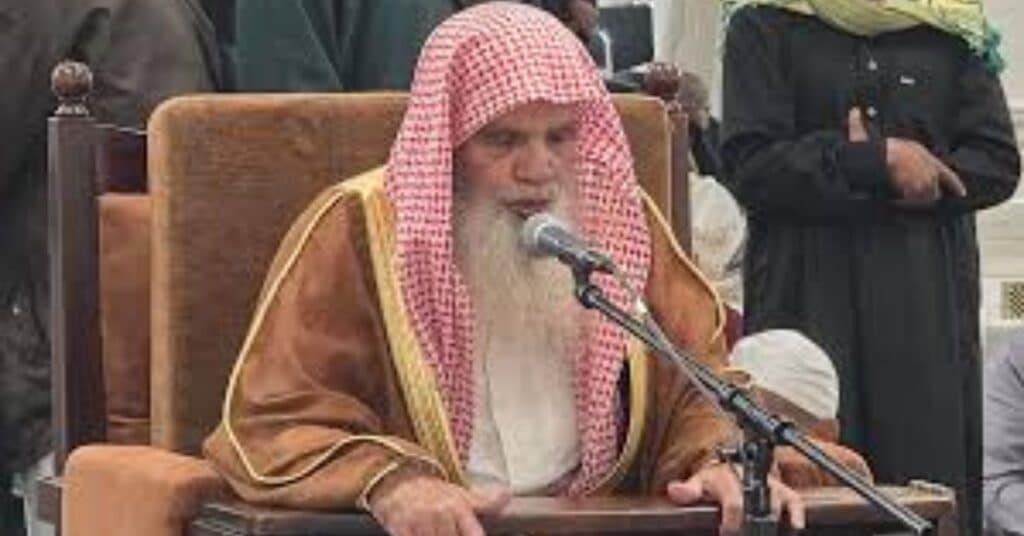
MAKKAH (Kashmir English): The Hajj and the Arafat Day sermons for 2026, will be translated and broadcast in 35 major languages of the world, including Urdu, Punjabi, and Pashto.
This year 5 million people will be able to listen to the Hajj sermon live in numerous regional and international languages. The initiative is being undertaken to facilitate millions of pilgrims coming from across the globe.
According to the General Presidency for the Affairs of the Two Holy Mosques and the Saudi Ministry of Hajj and Umrah, this year’s Hajj sermon will be broadcast live globally through modern digital platforms and official broadcasting channels so that the maximum number of Muslims could benefit from it.
Saudi authorities said that this year, the Arafat Day sermon will be translated into 35 languages and broadcast live worldwide.
These languages include English, French, Indonesian, Turkish, Persian, Russian, Chinese, and other important global languages, while Punjabi and Pashto have also been included in this list along with Urdu.
This announcement was made by the Head of Religious Affairs, Sheikh Professor Dr. Abdul Rahman bin Abdul Aziz Al-Sudais, at the conclusion of a scientific forum titled “Saudi Arabia’s Efforts to Promote Religious Services in the Two Holy Mosques.”
Who will deliver this year’s Hajj sermon?
According to officials, Sheikh Dr. Ali bin Abdul Rahman Al-Hudhaifi, the Imam and Khateeb of the Prophet’s Mosque in Madinah, will deliver this year’s Hajj sermon.
The institution stated that sermons are already simultaneously translated into multiple languages in the Two Holy Mosques, and facilities in various languages are also provided through the “Manarat Al-Haramain” platform and FM radio.
In addition, digital guidance, signboards, electronic screens, brochures, and translations of the Holy Quran are available in various languages for guidance in the Two Holy Mosques.
According to Saudi authorities, the purpose of all these measures is to make the Hajj experience easier, more integrated, and more meaningful for Muslims coming from all over the world, so that Makkah can be presented more effectively as a centre of global Muslim unity.