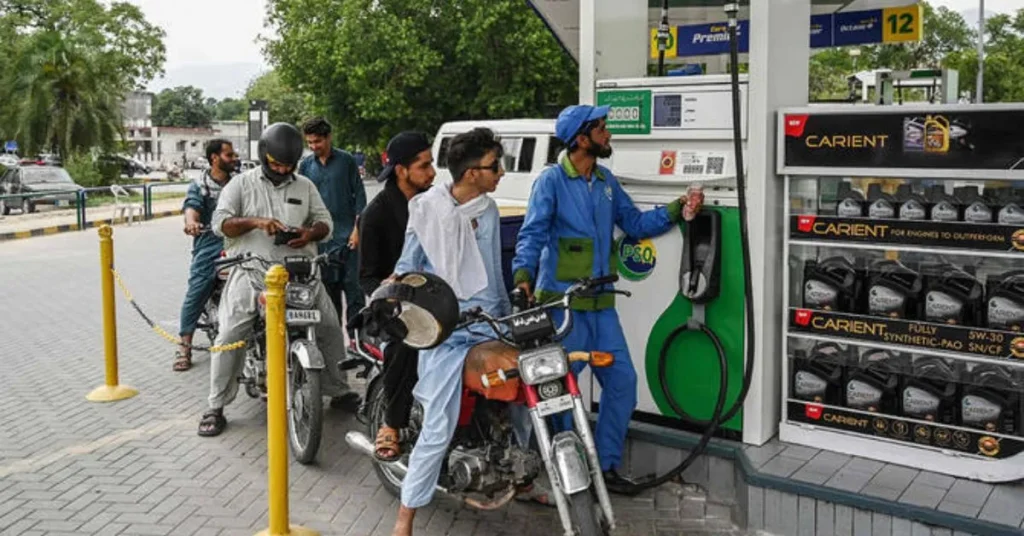
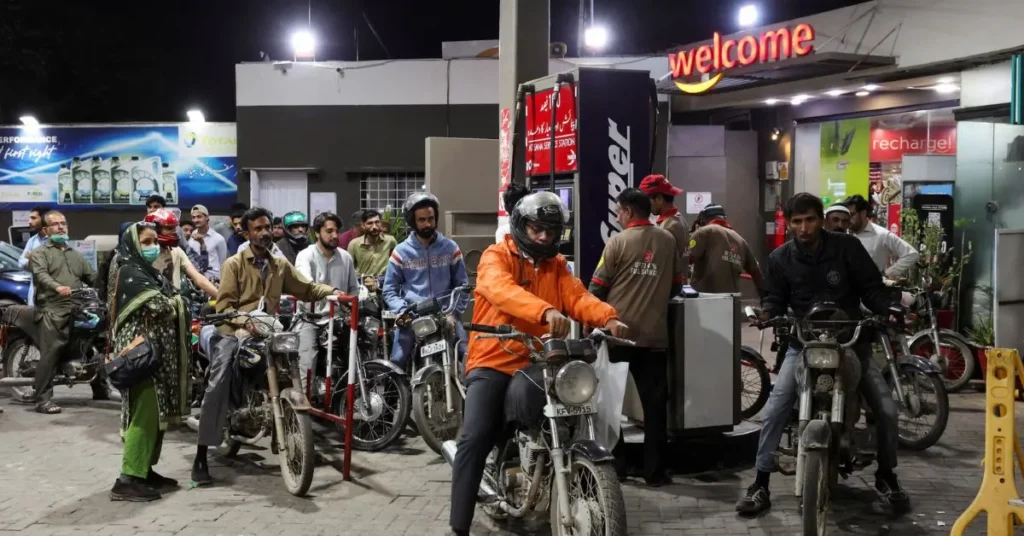
ISLAMABAD (Kashmir English): The government will probably raise petrol prices by Rs. 4.75 per litre during the next fuel price assessment, while high-speed diesel prices will stay nearly the same until the government implements new petroleum tax charges.
The latest internal oil industry estimates show that petrol prices are expected to rise during the upcoming pricing cycle, but high-speed diesel prices will experience only a small price increase unless foreign exchange rates change before the official price announcement.
The ex-refinery price of petrol will increase to Rs. 274.77 per litre from its current Rs. 270.03 per litre, which results in a price increase of approximately Rs. 4.75 per litre.
The main reason behind the expected jump is the rise in the international Free on Board price, which increased from $139.03 per barrel to $143.01 per barrel during the review period.
The reduction in premiums and incidental costs provided some relief, but it failed to counterbalance the total increase in expenses. The net increase in petrol prices resulted from the removal of a previous Pakistan State Oil adjustment which had set petrol prices at Rs. 1.41 per litre.
High-speed diesel prices will increase by only Rs. 0.20 per litre, according to expectations, which will raise the price from Rs. 334.74 per litre to Rs. 334.93 per litre.
The international Free on Board price for diesel increased from $160.41 per barrel to $172.99 per barrel, but the price rise was offset by a significant decrease in customs duty and incidental costs. Industry calculations show that customs duty alone declined by more than Rs. 20 per litre, which helped keep diesel prices broadly stable despite rising international rates.
The review period showed minimal exchange rate fluctuations, which stayed at approximately Rs. 278.9 per US dollar, demonstrating limited effect on final pricing.
Petrol users will experience direct price increases from rising global gasoline costs, according to industry officials, while diesel consumers will receive benefits from government policies that reduce the effects of international market changes.
The government tax and levy determination, together with last-minute exchange rate changes, will decide final consumer prices, which will occur before the official notification is released.