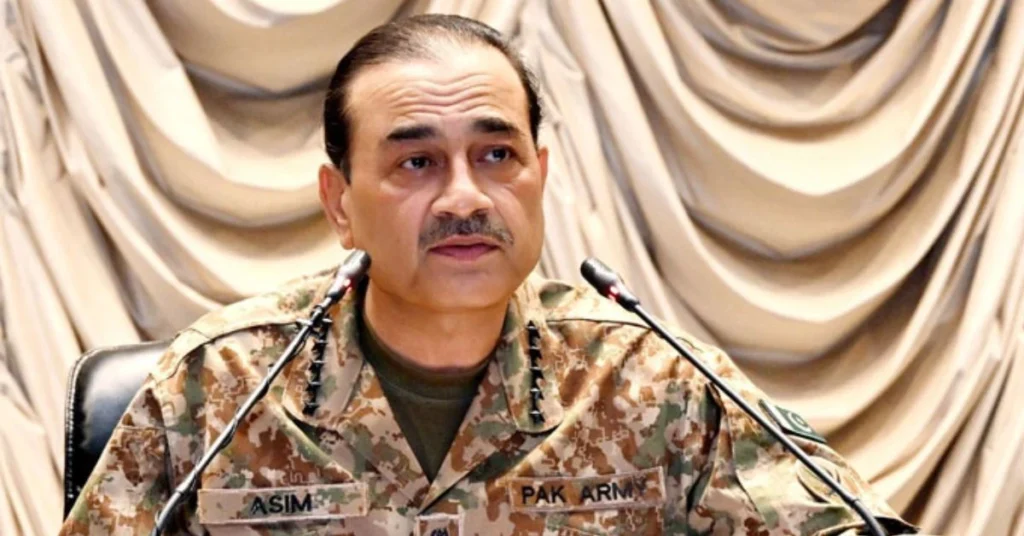
ISLAMABAD (Kashmir English): Pakistan’s army chief, Field Marshal Asim Munir, has been in contact “all night long” with U.S. Vice President JD Vance, special envoy Steve Witkoff, and Iranian Foreign Minister Abbas Araqchi, sources told Reuters.
Under the proposal, a ceasefire would take effect immediately, reopening the Strait of Hormuz, with 15–20 days to finalise a broader settlement. The deal, tentatively dubbed the “Islamabad Accord,” would include a regional framework for the strait, with final in-person talks in Islamabad.
There was no immediate response from U.S. and Iranian officials. Pakistan’s foreign office spokesperson Tahir Andrabi declined to comment.
Iranian officials have previously told Reuters that Tehran was seeking a permanent ceasefire with guarantees that it will not be attacked again by the U.S. and Israel. They have said Iran has received messages from mediators, including Pakistan, Turkey, and Egypt.
The final agreement is expected to include Iranian commitments not to pursue nuclear weapons in exchange for sanctions relief and the release of frozen assets, the source said.
Two Pakistani sources said Iran has yet to commit despite intensified civilian and military outreach.
“Iran has not responded yet,” one source said, adding proposals backed by Pakistan, China and the United States for a temporary ceasefire have drawn no commitment so far.
There was no immediate response from Chinese officials to requests for comment.
The latest diplomatic push comes amid escalating hostilities that have raised concerns over disruption to shipping through the Strait of Hormuz, a critical artery for global oil supplies.
Developing Story…