
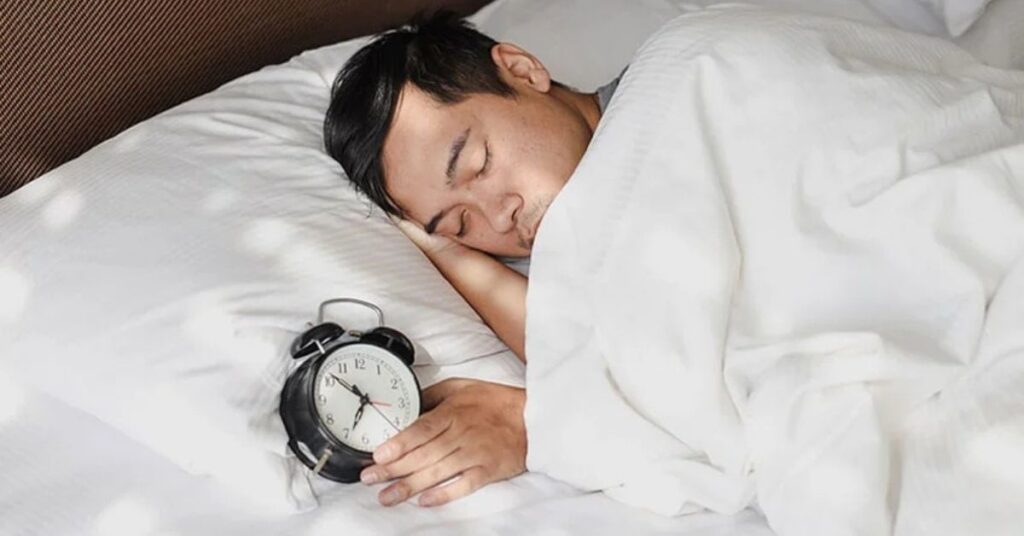
LONDON (Kashmir English): A new study has suggested that getting enough sleep may be just as important — if not more — than hitting the gym when it comes to a healthy life and living longer.
Published in Communications Medicine, the study spots light on how daily routines shape long-term health outcomes.
Researchers found that the way people divide their day between physical activity, sedentary time and sleep has a profound impact on overall health and longevity.
Both adequate sleep and regular physical activity were shown to be essential for healthy ageing, rather than one compensating for the lack of the other.
According to the study, just 12.9 per cent of participants were able to achieve both recommended benchmarks:
Around 7 to 9 hours of sleep per night, and at least 8,000 steps per day.
This indicates that maintaining both healthy sleep duration and sufficient daily movement remains a challenge for most people.
The findings also revealed worrying trends linked to inactivity and short sleep duration.
About 16.5 percent of participants averaged less than seven hours of sleep and under 5,000 steps per day, a level considered the upper limit of a sedentary lifestyle.
Meanwhile, nearly 64 percent failed to achieve even the minimum combination of 7 to 9 hours of sleep and 5,000 daily steps.
Poor sleep affects next-day activity
The study found that the negative effects of insufficient sleep were cumulative and directly affected physical activity levels the following day.
This suggests that inadequate sleep does not only harm health in the long term but can also reduce motivation and capacity for physical movement almost immediately.
Researcher Josh Fitton noted that only a small segment of the population consistently meets both sleep and physical activity recommendations.
He said these findings raise important questions about the practical relevance of existing public health guidelines, particularly in modern lifestyles where sleep is often compromised.
Previous research has independently linked poor sleep and low physical activity to serious health risks.
Insufficient rest and inactivity have been associated with higher chances of obesity, diabetes, depression, heart disease, inflammation, and increased overall mortality.
How the study was conducted
The research analyzed data from 70,963 participants across 244 locations over a period of three years and five months.
Participants used health-tracking devices, including a sleep sensor placed under the mattress and a fitness tracker.
Researchers measured sleep duration, time taken to fall asleep, and sleep efficiency — the proportion of time in bed actually spent sleeping.