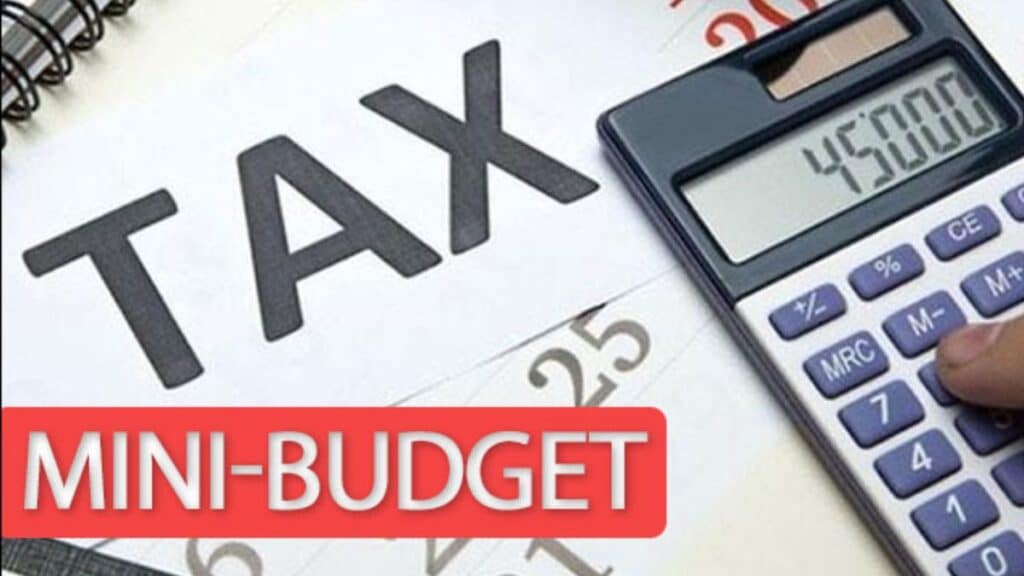
ISLAMABAD (Kashmir English): The government is mulling over a mini-budget that would levy new taxes on imported goods, vehicles, cigarettes, and electronic devices to mobilize resources for flood rehabilitation.
The proposal focuses on high-end luxury items and over 1,100 imported items, with revenue to be raised through a federal tax.
If the mini-budget gets approved by Prime Minister Shehbaz Sharif, the action could help fill a growing revenue gap and support recovery efforts, although provincial authorities are currently handling most relief operations.
Finance Minister Muhammad Aurangzeb led a meeting on Tuesday to discuss the proposals, which could be tabled through a Flood Levy Bill. Although the actual rates and items have yet to be finalized, the government is reportedly targeting a generation of at least Rs. 50 billion.
Among the items being considered in the mini-budget is a Rs. 50% duty on each packet of cigarettes and a 5% duty on electronic items over a minimum price point. A duty on cars with an engine capacity of 1,800cc and above is also on the cards.
Officials pointed out that, in contrast with taxes to be distributed among provinces, duties remain completely as federal revenue.
The plan comes after a Rs. 40 billion revenue deficit in July-August, which this month is expected to cross Rs. 100 billion due to flood losses, fueling apprehension about achieving International Monetary Fund targets.
The Finance Ministry is also contemplating the imposition of a tax on imports equivalent to the regulatory duty cuts granted in June as part of IMF-directed trade liberalization.
The question of the constitutionality of charging such levies was debated extensively in Tuesday’s meeting. Planning Minister Ahsan Iqbal, meanwhile, presided over another meeting of the prime minister’s flood damage committee, wherein provinces agreed a final damage audit could only be done once water receded.
He added that a preliminary report would be available within 10 days and assured that relief and rehabilitation activities are being conducted together by the federal and provincial governments.