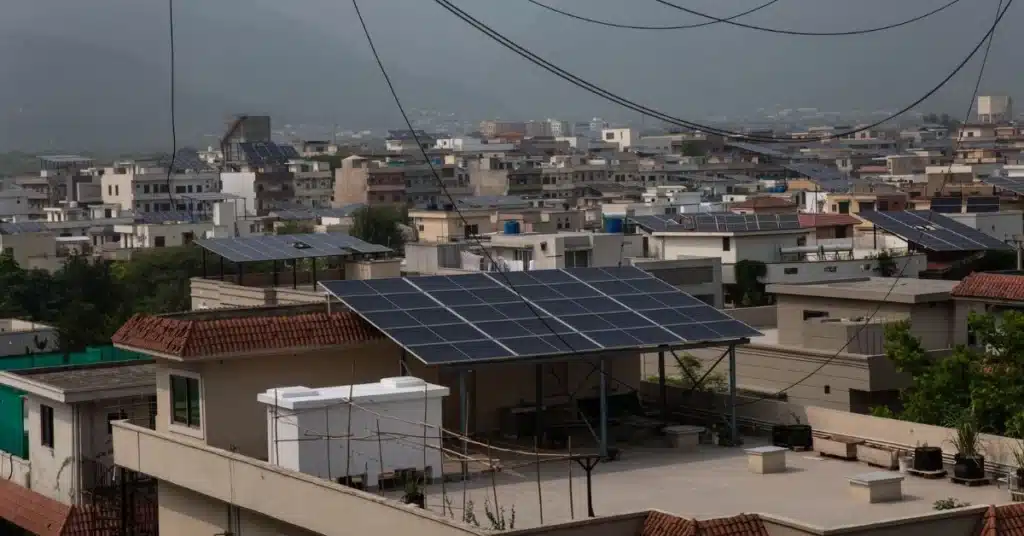
ISLAMABAD (Kashmir English): The prices of solar panels have witnessed a significant increase ahead of the federal budget for the fiscal year 2026-27, amid reports of a proposed increase in the General Sales Tax (GST) on solar equipment.
According to market sources, the price of solar panel plates has risen by between Rs7,000 and Rs9,000 per unit in recent days.
A 585-watt solar panel, previously available for around Rs18,000, is now being sold for approximately Rs27,000. Similarly, the price of a 645-watt panel has increased from Rs22,000 to Rs31,200.
The cost of a 720-watt solar panel has also risen sharply, climbing from Rs25,000 to Rs33,500, according to dealers. Moreover, the price of the inverter is also expected to rise in the coming days.
The price hike comes amid reports that the government is considering raising the GST rate on solar panels from 10 percent to 18 percent in the new fiscal year.
On the other hand, the government has also proposed abolishing the existing one percent advance tax on exporters in a bid to support the export sector and enhance the country’s export competitiveness
Proposal to hike climate levy
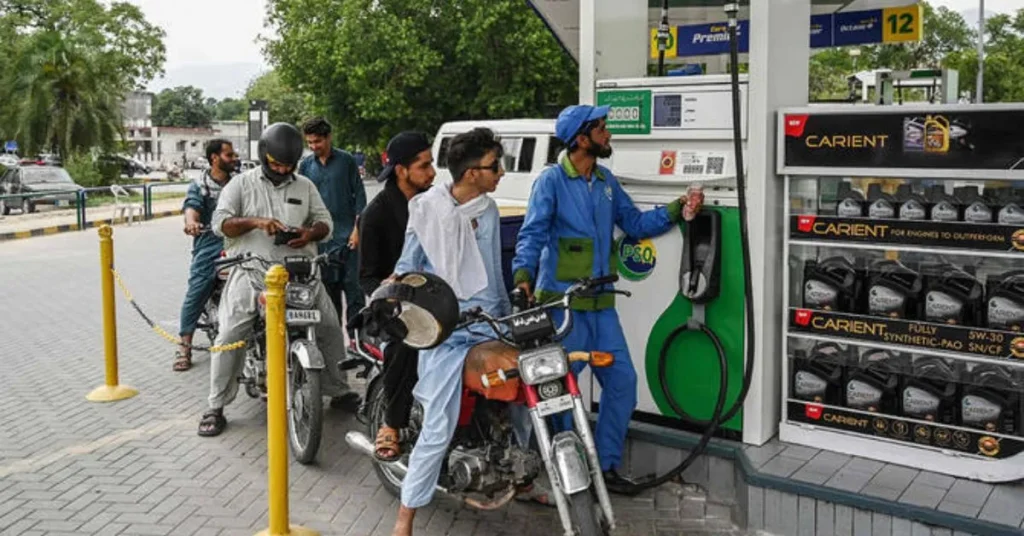
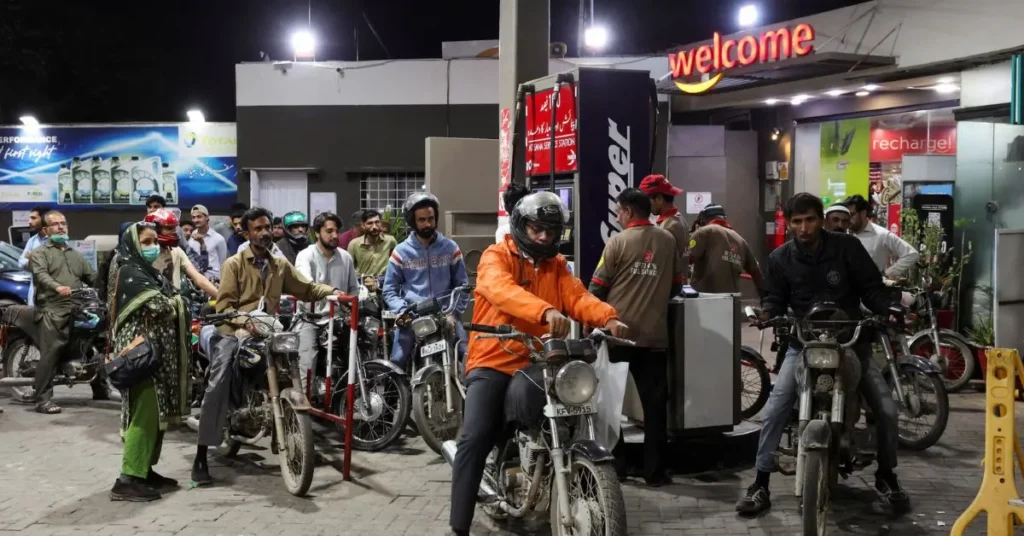
It has also been proposed to increase the climate support levy on petroleum products from Rs2.5 per litre to Rs5 per litre. The proposal is part of broader efforts to generate resources for climate-related initiatives and environmental sustainability measures.
The budget proposals also include a reduction in customs duty on imported makeup products from 44 percent to 40 percent. In addition, tax relief is expected on imported machinery and equipment used by beauty parlours, health and fitness centres, and medical clinics.
If approved, imported personal care products such as sunblock, sunscreen, shaving cream, aftershave, and lotions could become cheaper for consumers.
The budget proposals further suggest making it mandatory to print retail prices on several food items, including baby formula milk, ketchup, ghee, cooking oil, and tea leaves. The measure is aimed at improving sales tax collection and ensuring greater transparency in pricing.
Another significant proposal under consideration is the withdrawal of tax exemptions currently available to the merged districts of Khyber Pakhtunkhwa.