
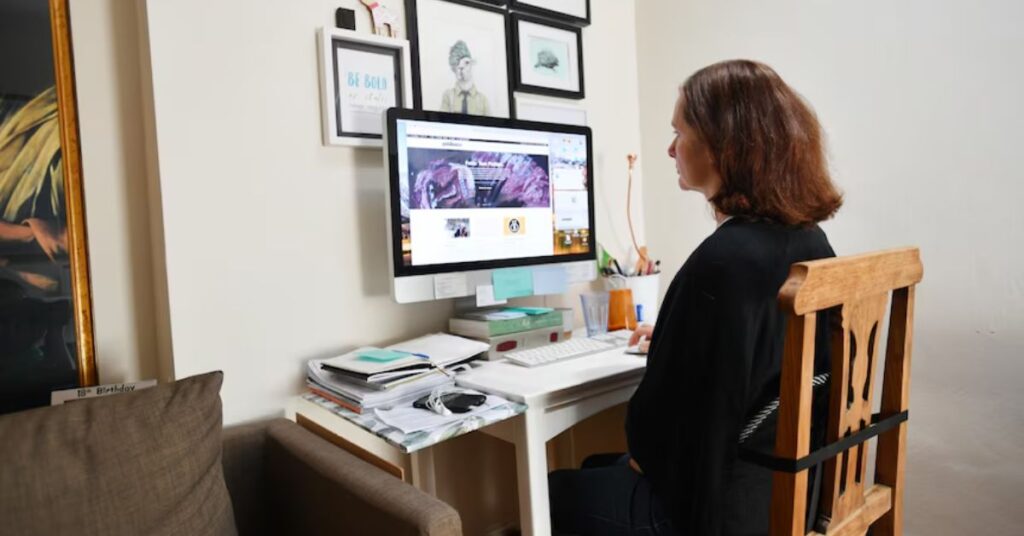
ISLAMABAD (Kashmir English): The National Assembly Secretariat has introduced a new austerity plan under which 50% of its employees will work from home on a rotational basis, aimed at reducing fuel consumption and cutting official expenditure.
Under the new arrangement, half of the staff will continue working from offices while the remaining employees will perform their duties remotely according to duty rosters prepared by their respective wings and approved by the competent authority. The measures have come into effect immediately.
Employees working from home will remain available during official hours through telephone, email, WhatsApp and other communication channels. They may also be directed to report to their offices within one hour when required.
Staff working remotely will not be entitled to diet allowance or overtime payments and will require prior permission to leave their station.
Official Vehicle Fuel Allocation Cut
As part of the austerity measures, fuel allocations for official vehicles have been reduced by 50% for three months. The purchase of new vehicles has also been completely banned.
The Secretariat has approved a 5% cut in non-employee-related expenditure for the 2026-27 financial year to reduce operational costs.
Meetings to Shift Online
The Secretariat has directed that meetings should preferably be conducted through video conferencing, while Standing Committee meetings will also be encouraged to take place virtually.
The number of meetings has been ordered to remain at the minimum possible level to reduce fuel, travel and administrative expenses.
Foreign Travel and Procurement Restricted
A three-month ban on foreign tours and official travel has also been imposed, with exemptions for certain scholarships, training courses and programmes conducted under institutional or government agreements.
The purchase of durable goods has been prohibited, except for essential IT equipment. Official dinners have also been restricted, with exceptions for events hosted for visiting foreign delegations.
Government-funded seminars, training programmes and conferences have been curtailed, while existing government facilities such as auditoriums and committee rooms are to be used whenever events are unavoidable.
The Secretariat has also directed a shift towards paperless working to further reduce administrative and office expenses.
The latest measures are part of the National Assembly Secretariat’s broader austerity campaign. In April, the Secretariat reported surrendering Rs472.1 million to the national treasury and projected savings of up to Rs2 billion through rationalised spending and improved resource management.