
ISLAMABAD (Kashmir English): Despite growing cybersecurity threats, millions of people worldwide continue to rely on weak and easily guessable passwords, with “123456” once again topping the list of the world’s most commonly used passwords in 2026.
According to the annual ranking released by password management company NordPass, “123456” has secured the top position for the seventh time in the past eight years.
The company has been publishing its annual list of the world’s most common and least secure passwords for the past eight years. For its latest report, NordPass analysed leaked password data collected between September 2025 and September 2026, alongside information available on the dark web.
The findings highlight how users continue to rely on simple number sequences and predictable combinations despite increasing risks of cyberattacks and unauthorised access.
Top 10 Most Common Passwords of 2026
The report ranked “admin” as the second most commonly used password, followed by “12345678” in third place. Both retained their respective positions from 2025.
The complete list of the 10 most commonly used passwords worldwide in 2026 is:
-
123456
-
admin
-
12345678
-
123456789
-
1234
-
12345
-
password
-
Aa123456
-
Pass@123
-
1234567890
How to Create a Strong Password
Cybersecurity experts recommend creating unique and complex passwords for every online account to minimise the risk of hacking and unauthorised access.
Users should avoid common words, personal names, predictable combinations and easily guessed number sequences. Using a combination of uppercase and lowercase letters, numbers and special characters can improve password security.
Password managers can also help users generate, store and manage strong passwords without having to memorise each one.
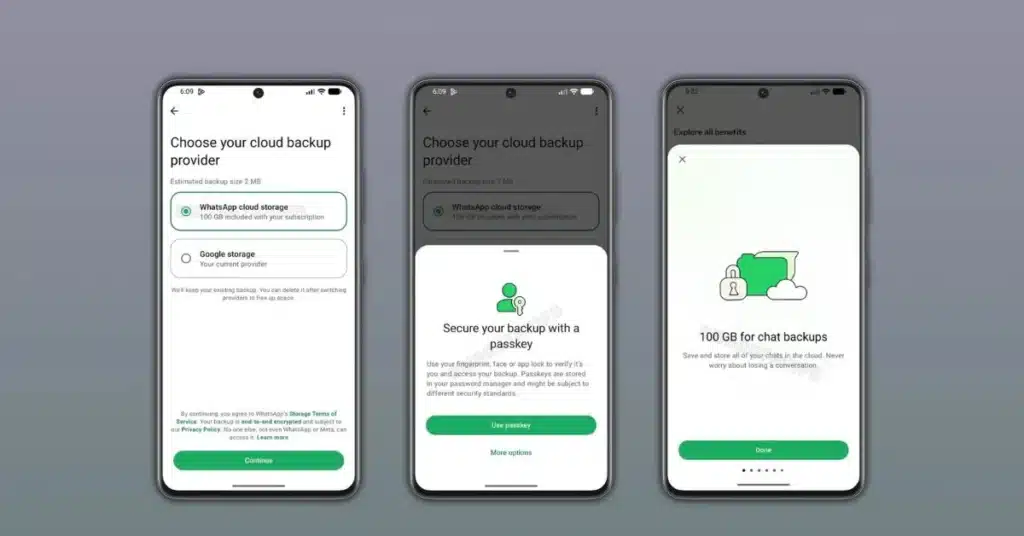
Meanwhile, technology companies are increasingly promoting alternatives to traditional passwords, including passkeys, to improve online security. However, conventional passwords remain widely used and are expected to remain an important part of digital security for the foreseeable future.