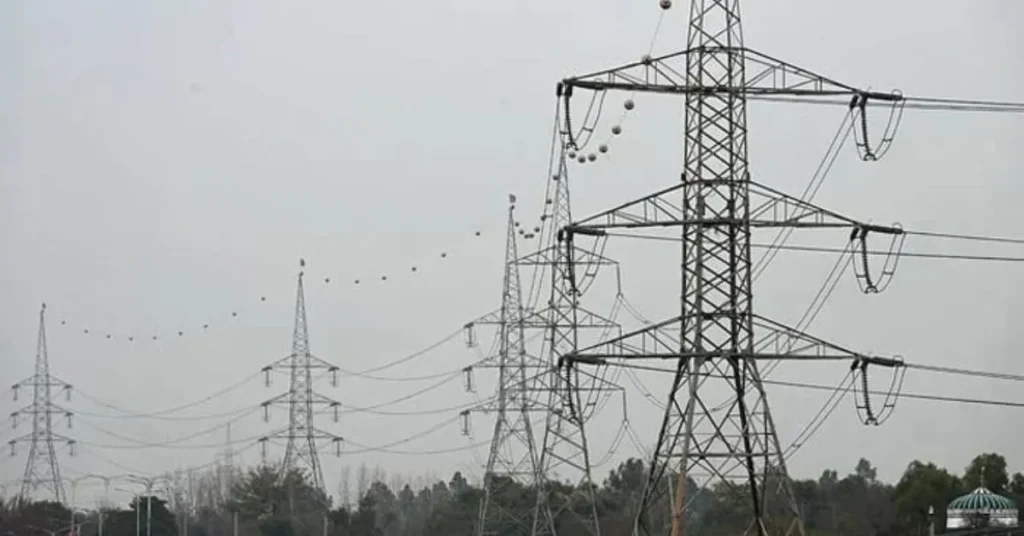
ISLAMABAD (Kashmir English): The Government of Pakistan has provided the International Monetary Fund (IMF) with written documents that confirm its intention to eliminate all current electricity subsidies, which benefit customers who use less power, and to establish a new targeted assistance program that will begin operation in January 2027 as part of its ongoing power sector transformation efforts that require outside financial support.
The new system will replace existing electricity subsidies, which benefit households that use up to 200 units of power by providing targeted assistance based on information from the Benazir Income Support Programme.
The new framework aims to provide assistance for low-income households while preventing people from abusing the current system, which allows users to install extra meters for tracking usage beyond the subsidized limit.
The funding commitment will support Pakistan’s upcoming receipt of its second installment, which amounts to $200 million from the Resilience and Sustainability Facility.
The IMF Executive Board will meet on May 8 in Washington to discuss the distribution of funds. The government is working with the World Bank to establish a new subsidy system that will enable electricity users to access the National Socio-Economic Registry database.
The targeted subsidy system is expected to be introduced after verification checks and payment arrangements are put in place. The government plans to hire an external firm by the end of this month to design the payment mechanism for the subsidy, the officials said.
Pakistan will expand its digital e-Abiana irrigation service charge system, which currently operates in Punjab to Sindh, Khyber Pakhtunkhwa and Balochistan during the next financial year according to the country’s electricity reform commitments.