ISLAMABAD (Kashmir English): Pakistan has prepared a historic ‘peace framework’ to end the ongoing terrible tension in the Middle East, which is likely to be implemented between the US and Iran from Monday.
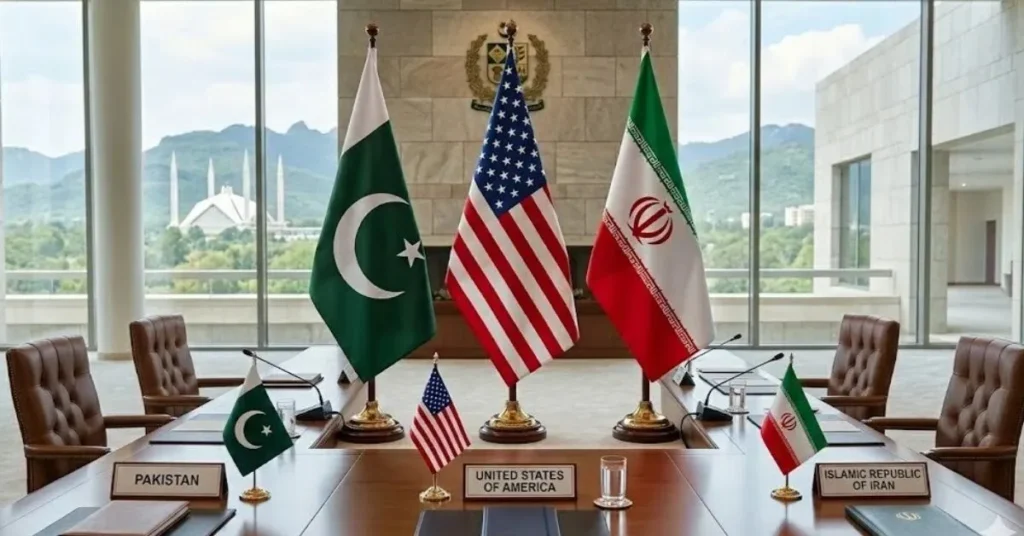
The British news agency Reuters has claimed, citing sources, that the plan proposed by Pakistan has been provisionally named the ‘Islamabad Agreement’, the main objective of which is to immediately cease hostilities and reopen the ‘Strait of Hormuz’, the artery of global trade.
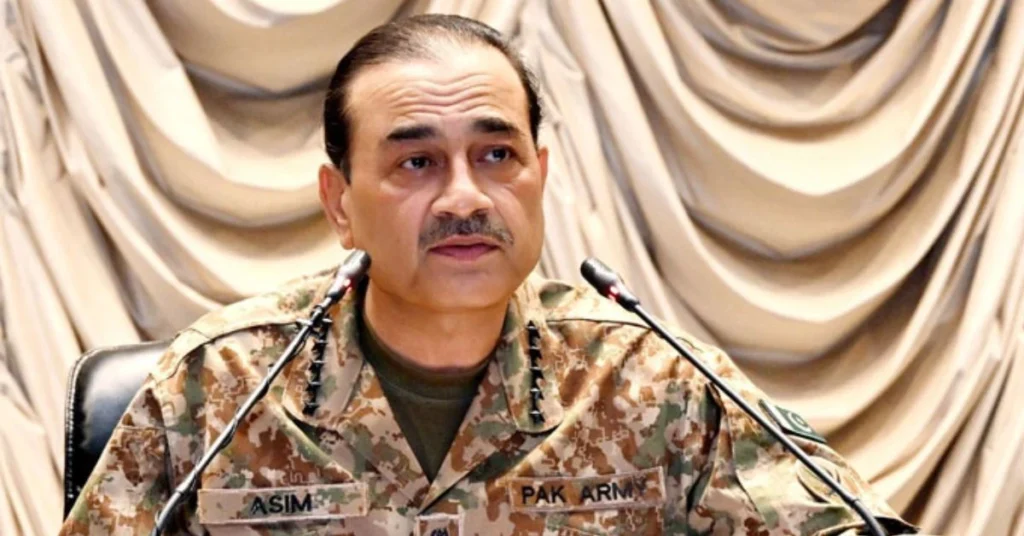
Highly reliable sources have told Reuters and the international media that Pakistan’s army chief, Field Marshal Syed Asim Munir, was in constant contact with US Vice President JD Vance, Special Envoy Steve Witkoff, and Iranian Foreign Minister Abbas Araqchi all night last night.
A two-tiered mechanism has been devised under this ‘Islamabad Accord’. The first phase would see an immediate 45-day ceasefire, during which the Strait of Hormuz would be opened to shipping, while the second phase would see a permanent peace agreement finalized in Islamabad within 15 to 20 days through face-to-face talks.
The proposed deal would see Iran lift international sanctions in return for its commitment to refrain from acquiring nuclear weapons.
Although the White House and Tehran have yet to comment officially, senior Iranian officials have confirmed that they have received the proposals via Pakistan, Turkey, and Egypt.
Pakistan’s Foreign Office spokesman Tahir Andrabi has so far remained silent on the matter, but according to the international website Axios, the plan could be the only way to permanently end the war.
Today, April 6, 2026, is being declared a decisive day for world peace, where a memorandum of understanding is expected to be signed electronically between all parties.
Pakistan has presented itself as a neutral but active mediator in this crisis. The Pakistani establishment, led by Field Marshal Asim Munir, initiated ‘back channel’ diplomacy between Washington and Tehran at a time when the clouds of war had deepened in the Middle East.
The ‘Islamabad Accord’ will not only increase Pakistan’s global prestige but will also provide a huge boost to the global economy, which has been paralyzed due to the closure of the Strait of Hormuz.