
SRINAGAR (Kashmir English): In yet another draconian measure to muzzle dissent, the Indian authorities in Indian illegally occupied Jammu and Kashmir (IIOJK) have banned 25 books, labeling them as “secessionist literature”, US newspaper New York Times reported.
According to Kashmir Media Service, the blacklist includes works by renowned Kashmiri writers, journalists, academics and international authors whose writings examine the history, politics, human rights abuses and lived experiences of people in the occupied territory.
Among the banned titles is a book chronicling the decades-long struggle of Kashmiri women searching for their disappeared loved ones, an academic work on how history and politics shaped one of South Asia’s longest conflicts, and a journalist’s account of democracy under threat in Kashmir.
According to the NYT report, the move comes with immediate legal consequences: circulation, possession, or access to these books in the territory is now a criminal offense punishable with years of imprisonment. While the enforcement of the ban is questionable given the availability of many titles online and outside the region, authorities have already begun removing copies from bookstores.
The ban was announced on the sixth anniversary of the abrogation of Jammu and Kashmir’s special status on August 5, 2019 — a symbolic timing that authors and analysts say reflects New Delhi’s intensified campaign to erase alternative narratives since the constitutional change.
Since then, poets have self-censored their verses, journalists have been jailed, newspapers forcibly shut down, archives deleted, and public discourse increasingly policed.
Earlier this year in February, police carried out coordinated raids on bookstores across Srinagar and other districts, seizing 668 books.
The crackdown deepened following an April attack in the territory, after which Indian troops detained thousands and demolished homes of people accused of militant links — a pattern of collective punishment repeatedly documented in IIOJK.
The US paper interviewed several people including the authors to ascertain their opinion on the book ban.
Prominent Kashmiri academic and author Ather Zia, who has two works on the blacklist, said the banned books challenge the state’s narrative. “They are questioning some of the very important things the world buys when someone says India is a democracy,” she said.
Veteran political scientist Noor Ahmad Baba noted that even during the height of armed militancy, authorities had refrained from banning books. “Since the revocation of special status, many freedoms here have been curtailed in ways that don’t appear to be carefully considered,” he observed.
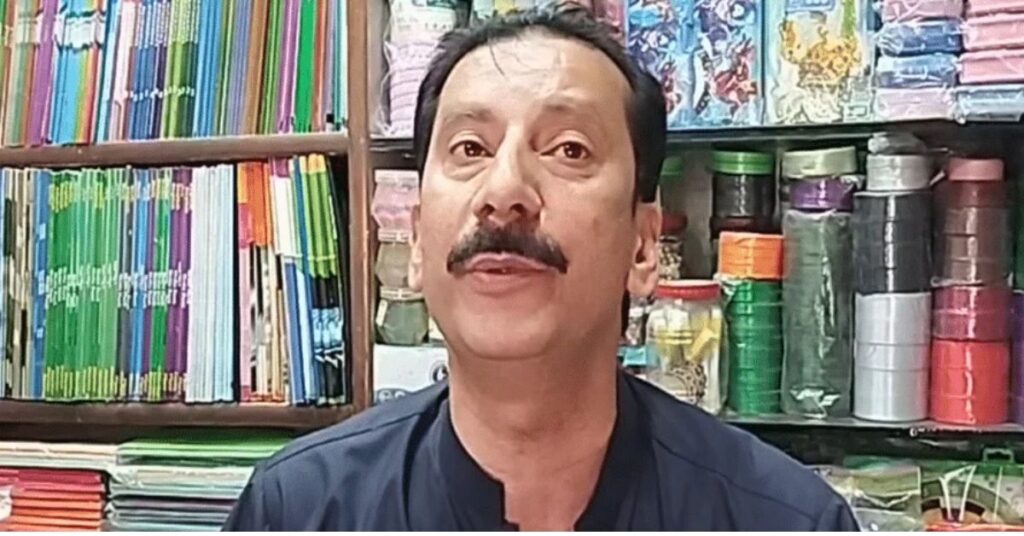
Bookshop owner
Bookshop owner Firdous Ahmad, of Khan News Agency and Book Shop in Srinagar, said police inspected his store and removed what they deemed “objectionable” titles, even though the listed works were not stocked.
Anuradha Bhasin, editor of Kashmir Times and author of A Dismantled State: The Untold Story of Kashmir after Article 370, whose book is among the banned titles, called the move “part of a deliberate campaign to erase history and alternative narratives” and “entirely consistent with the government’s pattern of governance in Kashmir.”
Former professor of international law, Sheikh Showkat Hussain, said such bans are justified under the pretext of “security of the state” but are in reality aimed at curbing freedom of expression.
Political scientist and author Sumantra Bose, whose work outlines pathways to peace in the territory, expressed surprise over the ban but pointed to a common thread: “None of these authors are parroting the Hindu nationalist line, the government line on Kashmir — and that is the common denominator.”
The banned list also includes Booker Prize-winning novelist Arundhati Roy, further underlining the extent of the crackdown on critical thought in the occupied territory.