TRIPOLI: Saif al-Islam Gaddafi, the son of Libya’s former leader Muammar Gaddafi, has been assassinated at his residence on Tuesday, Al Arabiya reported, citing a source close to the Gaddafi family.
The source said four assailants shot Saif al-Islam in his garden and then fled the scene.
Libyan state news agency LANA also reported his death, citing his advisor, Abdallah Othman.
Details surrounding the circumstances of his death were not immediately clear.
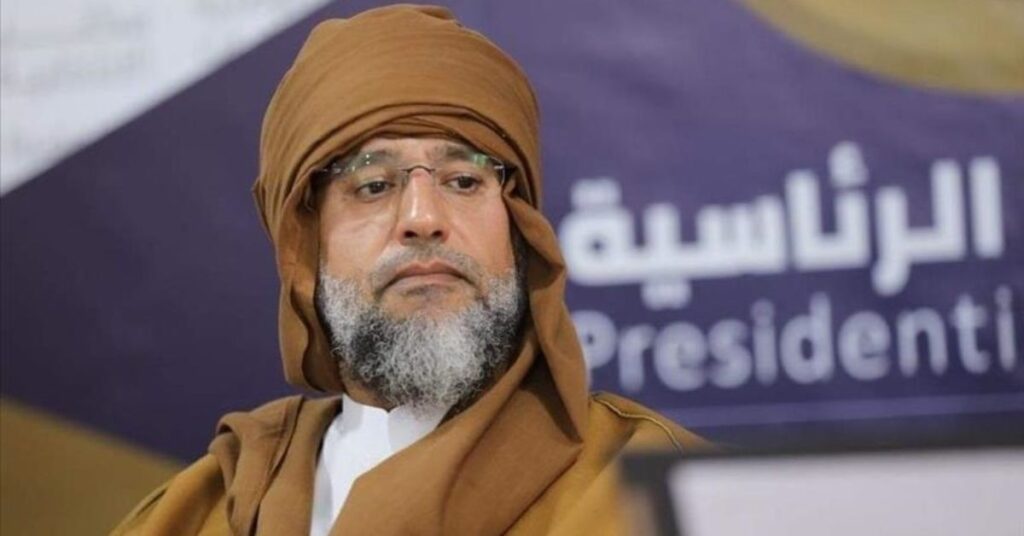
Saif al-Islam had long been seen as his father’s successor. In 2021, he announced he would run for president, but those elections were indefinitely postponed.
Saif al-Islam Gaddafi has reportedly been killed in Zintan though details surrounding his death are conflicting. He was a key figure in Libya, transitioning from a Western-friendly reformer to an architect of the crackdown on rebels in 2011.
Saif was determined to rid Libya of its pariah status. He engaged with the West and championed himself as a reformer, calling for a constitution and respect for human rights.
Once celebrated by global powers as the sophisticated, London School of Economics-educated reformer who could bridge the gap between Libya and the West, Saif al-Islam Gaddafi has reportedly been killed at the age of 53.
Despite his reputation as a fluent English speaker and a advocate for democratic change, he famously abandoned those ties during the 2011 uprising. Choosing family loyalty over international friendships, he became a key figure in the violent suppression of protesters, whom he disparagingly labeled as “rats”.
While he once negotiated major diplomatic breakthroughs—including the dismantling of Libya’s nuclear program and Lockerbie bombing compensation—his later years were defined by his role in the 2011 crackdown.
This led to a death sentence from a Tripoli court and an arrest warrant from the International Criminal Court for crimes against humanity.
According to sources close to his family and his legal team, he was killed in an unexplained incident near the country’s border with Algeria. Other reports suggest he may have been attacked by gunmen in the city of Zintan, where he had been based since his release from militia custody in 2017.
His death marks the end of a figure who once held the potential to transform Libya but instead became a symbol of its brutal descent into chaos.