

ISLAMABAD (Kashmir English): The Nipah virus outbreak in India has terrified the world, prompting authorities, including Pakistan, to take major steps to control the virus before it gets out of hand. To control the Nipah Virus in Pakistan government has set up major scanning tests at airports.
What is the Nipah Virus in Pakistan?
Nipah is a rare viral infection that spreads primarily from infected fruit bats to humans who come in contact with them. The World Health Organisation (WHO) states that the disease can show no symptoms, but it poses a serious threat because 40% to 75% of cases result in death, depending on the healthcare system’s ability to find and treat patients.
Direct human transmission of the disease occurs, but experts and the European Centre for Disease Prevention and Control report that this transmission becomes difficult because outbreaks tend to stay within small areas.
The current research work includes vaccine development for which no vaccines have received validation yet. How common is it? Nipah was first identified in Malaysia in 1999. The disease has caused multiple small outbreaks each year since 1999, with most outbreaks occurring in Bangladesh. India also sees sporadic outbreaks.
The Coalition for Epidemic Preparedness Innovations CEPI tracks emerging disease threats while funding medical tool development to protect against these threats, which reported 750 recorded cases and 415 patient deaths as of December. The 2023 series Bat Lands shows how Reuters followed the spread of the Nipah virus.
How does it spread?
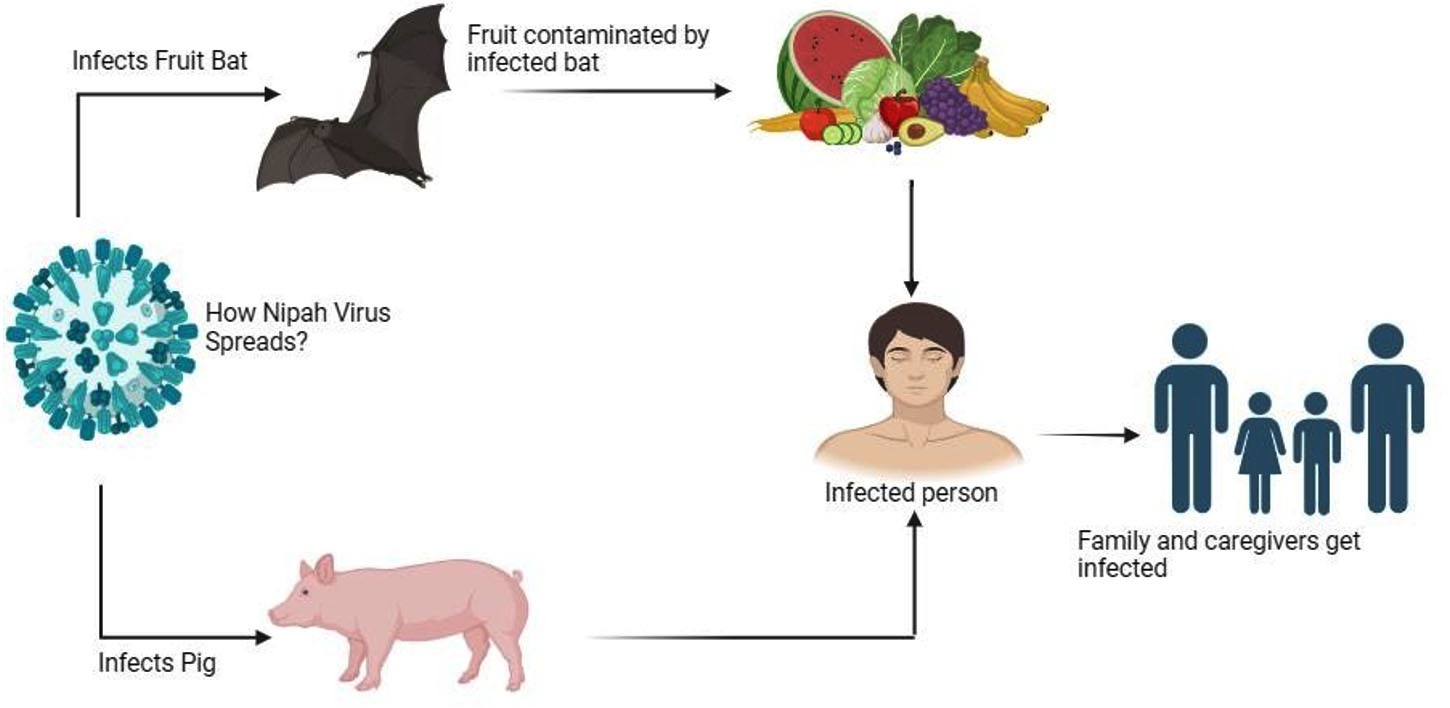
The Nipah virus spread in Malaysia through direct contact with infected pigs and their contaminated tissues when it first emerged. Scientists have discovered that the virus now spreads through contact with its natural host: fruit bats.
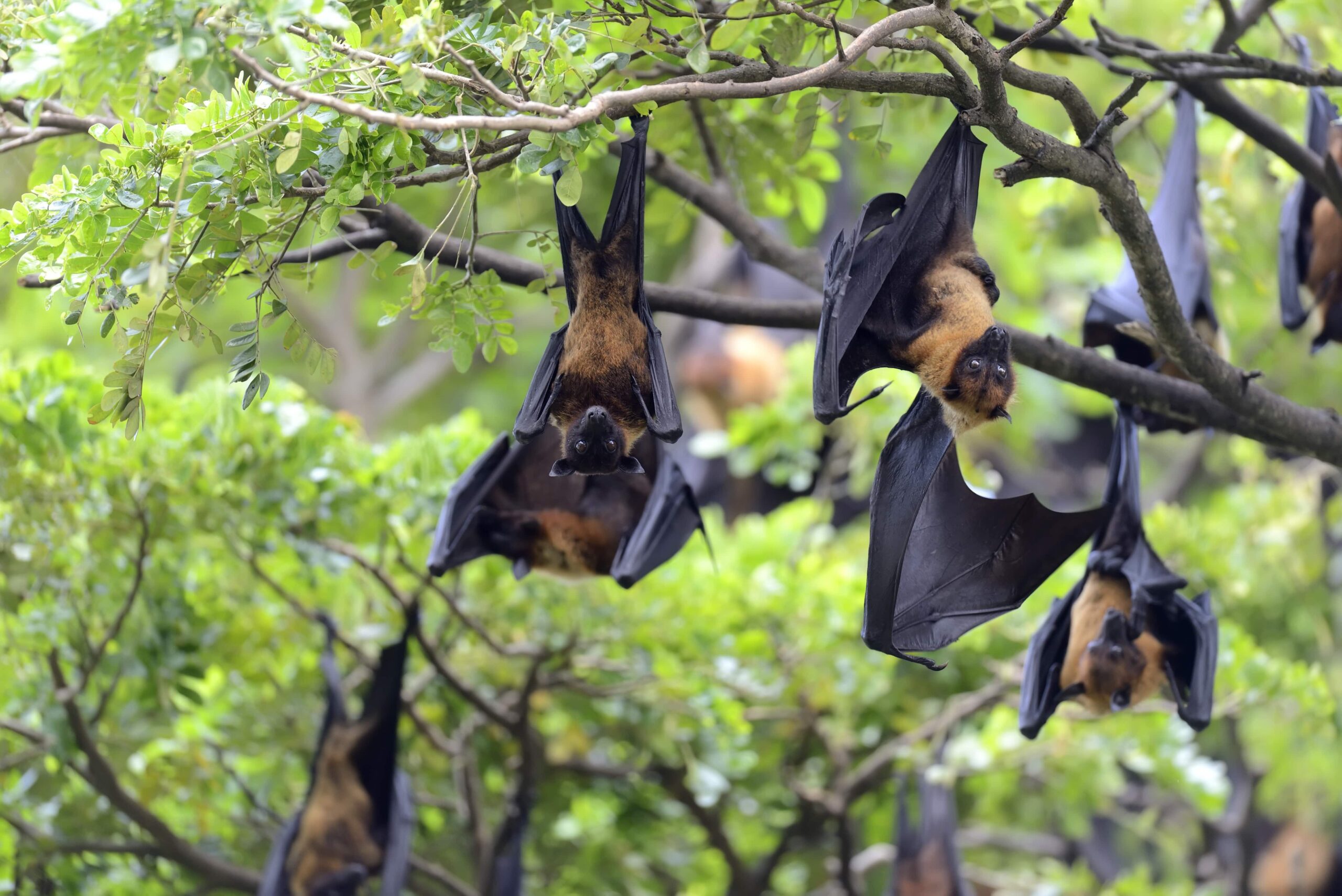
The WHO reports that the most probable method of infection occurs when people consume fruit and fruit products that contain urine or saliva from infected fruit bats. Human-to-human transmission occurs when sick patients have close contact with their families or caregivers.
What are the symptoms of Nipah Virus?
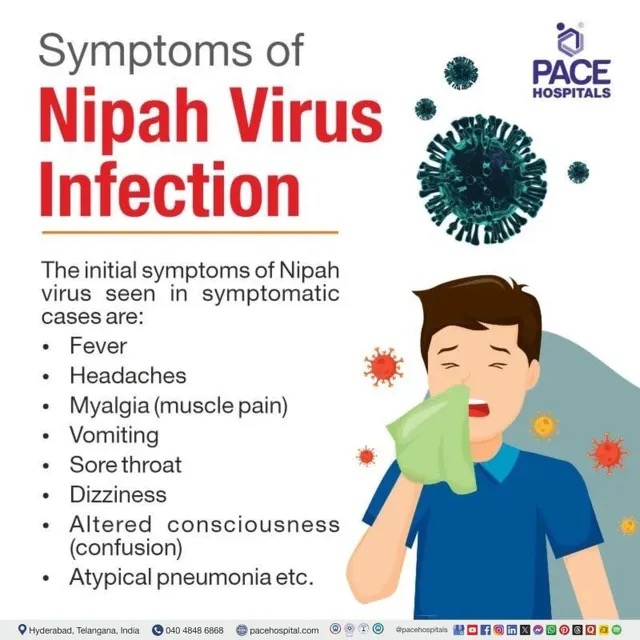
The initial symptoms of Nipah virus infection, which include fever, headache, and muscle pain, demonstrate non-specificity since their presentation resembles other diseases.
The neurological signs that develop after initial symptoms will lead to acute encephalitis, which results in brain inflammation, while some individuals will have severe respiratory complications.
Severe cases lead to seizures, which develop into coma within days. The majority of people who recover will achieve complete recovery, while some will develop permanent neurological disabilities.
According to scientists, Nipah disease serves as a dangerous illness that shows high death rates, yet it still needs to prove its ability to transmit between humans and establish worldwide spread.
The WHO considers the disease to be a major public health threat that affects countries that experience more frequent outbreaks. The disease leads to the large-scale extermination of pigs, which represent the main animal species that can contract the virus.
Scientists show that global transmission will not happen for the disease, while they show that airport screening methods cannot detect the virus because its incubation period lasts for several weeks.
What vaccines or treatments are available?
At present, there exist no authorized vaccines or treatments for Nipah, yet research continues on multiple vaccine candidates, including one developed by Oxford University scientists who worked on a Covid-19 vaccine.
The Bangladesh International Centre for Diarrhoeal Disease Research conducted phase II testing of their Nipah vaccine since December, which uses the same technology as their vaccine developed from their partnership with CEPI.